Most roofs do not fail overnight. Shingles loosen a little at a time, tiles crack without anyone noticing, sealants dry out, and small leaks begin in places that are easy to miss from the ground. Months or years later, a ceiling stain or interior leak appears and suddenly the repair feels urgent and expensive. A roof maintenance program is designed to stop that cycle. Instead of reacting to emergencies, you follow a simple plan that keeps your roof in good condition, protects your budget, and extends the life of one of the most important systems in your home.
For homeowners in San Diego, Carlsbad, La Jolla, Del Mar, Encinitas, Solana Beach, Rancho Santa Fe, Poway, Scripps Ranch and neighboring communities, a maintenance program makes even more sense. Local roofs face constant sun, seasonal storms, coastal moisture, and temperature swings between inland valleys and the coast. Regular care helps your roof handle all of these conditions without surprise problems or early replacement.
Turning Roof Care Into a Predictable Plan
Many families treat roof work as a once every decade decision. The roof goes on, then it is mostly forgotten until something clearly goes wrong. Maintenance programs take the opposite approach. They assume that the roof is always aging and that it is easier and more affordable to correct small issues as they appear rather than waiting for a major failure.
With a program in place, inspections and tune ups are scheduled in advance. You know when someone will be on the roof, what they will look for, and how they will report back. Any minor repairs can be bundled into these visits, which keeps costs manageable and gives you a clear record of ongoing care. That record is valuable for warranty support, future insurance discussions, and even resale when it is time to sell the home.
The financial difference between reactive repairs and planned maintenance can be seen clearly when you compare them side by side.
| Approach to Roof Care | Typical Pattern | Effect on Costs | Effect on Roof Life |
|---|---|---|---|
| Maintenance program in place | Regular inspections, small repairs handled early | Steady and predictable, fewer large bills | Roof often lasts to the upper end of its expected life |
| Repairs only when a problem appears | Leaks or damage trigger rushed work | Spikes in cost, more interior repairs | Roof often replaced years earlier than necessary |
| No consistent care | Issues ignored until serious failure | Highest overall cost, including structural fixes | Roof life cut short by preventable damage |
When roof care becomes predictable, your budget becomes easier to manage as well. Instead of guessing when the next major bill might arrive, you spread smaller investments out over time and reduce the chance of surprise expenses.
What a Professional Roof Maintenance Program Includes
Every company designs its own version of a maintenance program, but the most effective plans share the same core elements. They combine regular inspections, targeted tune ups, and clear documentation. The goal is to keep the entire roofing system performing as a unit rather than focusing on one component at a time.
Scheduled Roof and Attic Inspections
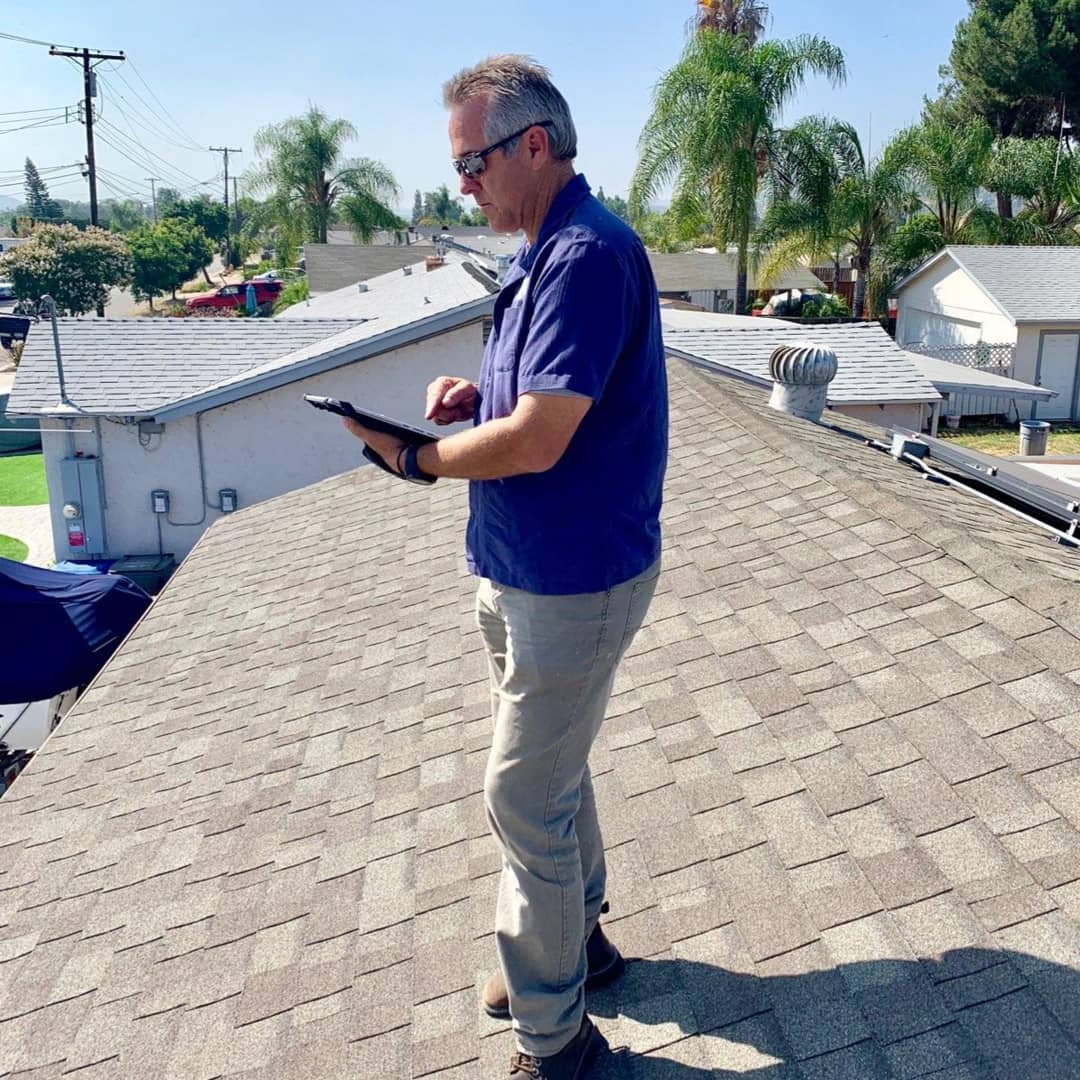
Routine inspections are the backbone of any program. A trained technician walks the roof, checks the attic, and evaluates the conditions that are most likely to affect performance. On tile roofs in places like La Jolla, Del Mar, and Rancho Santa Fe, this often means checking for cracked or slipped tiles and underlayment wear. On shingle roofs in inland areas such as Poway, Scripps Ranch, and parts of Escondido, the focus may be on granule loss, lifted edges, and heat related aging.
Attic inspections are just as important as exterior checks. Moisture staining, insulation condition, ventilation patterns, and signs of previous leaks all help the technician understand how the roof is handling real weather over time. Combining exterior and interior observations leads to better decisions than looking at either side alone.
Cleaning and Minor Adjustments
A good program rarely ends with a report alone. Most visits also include small improvements that keep the system in shape. This can include clearing debris from valleys, checking and tightening fasteners, resealing minor cracks in exposed sealant, and making sure flashings are seated correctly.
In parts of San Diego County with mature trees, regular removal of leaves and debris from roof surfaces and gutters is especially important. When debris sits in valleys or near roof penetrations, it holds moisture against the material and creates ideal conditions for slow deterioration.
Planned Repair Work
When a maintenance visit reveals more serious issues, a professional program lays out a plan for correction. Rather than waiting until the next storm forces urgent work, the roofer can schedule repairs at a convenient time. This approach allows homeowners to understand the priority of each item and choose what to address immediately and what can be monitored.
The table below gives a simple example of how findings might be categorized during a maintenance visit.
| Finding | Priority Level | Suggested Time Frame |
|---|---|---|
| Cracked tile with exposed underlayment | High | Repair before next significant rain |
| Minor sealant wear around vent | Medium | Address during next scheduled visit |
| Granule wear on aging shingles | Monitor | Plan for replacement in future years |
This structure makes it easier to balance protection and budget. Homeowners can act quickly on what matters most while still planning ahead for larger projects.
Documentation That Helps With Future Decisions
One of the quiet advantages of a maintenance program is the paper trail it creates. Each visit generates notes, photos, and a record of what was done. Over time, this history becomes a valuable tool. It shows how the roof has aged, what repairs have been completed, and how the system is performing season by season.
For warranties and insurance, that documentation demonstrates that the roof was cared for properly. For future buyers, it provides confidence that the home has been maintained rather than neglected. For the homeowner, it offers clarity when it is finally time to consider a full replacement. Instead of guessing, you can see the progression and make a deliberate, informed choice.
How Often Should a Roof Be Included in a Maintenance Program
The right schedule depends on the type of roof, the age of the system, and the environment around the home. Most properties benefit from yearly visits, while some require more frequent checks due to weather exposure or surrounding trees.
| Roof Type and Condition | Suggested Visit Frequency | Notes |
|---|---|---|
| Newer shingle roof in mild inland setting | Every 12 to 18 months | Focus on early signs of wear and ventilation balance |
| Tile roof near the coast | Every 12 months | Check for cracked tiles, underlayment aging, and corrosion |
| Older roof or complex roof with skylights and chimneys | Every 6 to 12 months | More points of entry mean more frequent checks are wise |
These intervals are guidelines rather than strict rules. The key principle is consistency. A somewhat imperfect schedule that happens every year is more effective than an ideal schedule that never gets started.
Keep Roof Warranty Intact
Most roofing manufacturers require regular maintenance as a condition of their warranty. You may only lose warranty coverage if you maintain your roof properly. You will be responsible for all the costs of any repairs or replacements. For example, if your roof suffers damage due to a storm and you file a warranty claim, the manufacturer may request proof of regular maintenance before they approve the claim.
Your warranty claim may only be allowed if you provide the necessary documentation. Follow the manufacturer’s maintenance guidelines to maintain warranty coverage. If you don’t care for your roof, your warranty will be void, and you’ll have to pay for any needed repairs or replacements.
Maintain the Value of your Building
When potential buyers come to visit your home, the first thing they see is the exterior, including the roof. A roof that is dirty, damaged, or looks neglected can immediately give them the impression that the entire home is poorly cared for, even if the interior is in great shape. On the other hand, a roof that looks clean, well-maintained, and in good condition can make a positive impression on buyers.
It can give them the confidence that the rest of the home is well-maintained and cared for. Your home will sell faster and higher, as buyers will pay more for a home in good condition. Moreover, a well-maintained roof also enhances the curb appeal of your home. A beautiful roof can make your home stand out in the neighborhood and make it more attractive to potential buyers.
Enhances Safety
Regular roof maintenance can prevent safety hazards in several ways. Loose or damaged shingles can be a tripping hazard, especially near the roof’s edge or a steep incline. They can also become airborne during high winds, potentially causing injury to people or property. Similarly, sagging gutters can pose a safety risk, especially if they’re located above a walkway or entryway. If they collapse, they can cause serious harm to anyone in the vicinity. Regular roof maintenance protects against water damage and mold growth. A well-maintained roof is less likely to develop leaks, which can cause water damage to the walls, ceiling, and other parts of your home. It can also prevent mold growth, posing a health risk to you and your family. At Dana Logsdon Roofing, we provide top-notch roofing services. Contact us today—we will help you with all your roofing needs and ensure your roof stays in top condition for years.
Why Homeowners Across San Diego Rely on Dana Logsdon Roofing and Solar
Maintenance programs only work when they are backed by experience and trust. With more than 30+ years of roofing and solar work and more than 30,000 projects completed across San Diego County, Dana Logsdon Roofing and Solar has built maintenance plans around what actually works in local conditions. The team understands how San Diego’s mix of sun, ocean air, and seasonal storms affects both tile and shingle roofs, and they design each visit to address the details that truly matter.
Homeowners appreciate that inspections come with clear explanations and practical recommendations instead of pressure. Small repairs are handled with the same care as larger projects, and every visit is documented so the condition of the roof is never a mystery. Over time, the result is a roof that lasts longer, a budget that is easier to plan, and a home that stays better protected in every season.
CSLB License: #699151
Main Office: (619) 390 8177
Downtown Office: (619) 870 2221
Email: dana@roofon.com
A maintenance program is one of the simplest decisions a homeowner can make to protect their roof and their finances. With a predictable plan and a trusted team, your roof becomes one less thing to worry about and one more part of the home you know is ready for the years ahead.