Is Home Hardening Worth It in San Diego? (2026 Guide to Wildfire-Resistant Roofing, Vents and Gutters)
If you own a home anywhere in San Diego County, wildfire risk isn’t some abstract thing. It’s real, it’s increasing and it directly affects your insurance rates, your property value and your family’s safety.
After recent wildfire seasons across Southern California, more homeowners are asking: What can I actually do to protect my home?
The answer is home hardening. And it starts with your roof.
This guide covers what home hardening actually means, what it costs in 2026, what components matter most and whether the investment pays off.
What Is Home Hardening?
Home hardening means upgrading the exterior components of your home to resist ember intrusion, radiant heat and direct flame contact during a wildfire.
It’s not about making your home “fireproof.” Nothing is fireproof. It’s about making your home significantly harder to ignite.
The Key Components of Home Hardening
| Component | Why It Matters | Priority Level |
|---|---|---|
| Roof material | Your roof is the #1 ignition point during wildfires | Critical |
| Roof vents | Embers enter through standard vents and ignite attic space | Critical |
| Gutters | Debris-filled gutters catch embers and spread fire to eaves | High |
| Eaves and soffits | Open eaves allow ember entry under the roofline | High |
| Exterior walls | Non-combustible siding reduces fire spread | Moderate |
| Windows | Dual-pane tempered glass resists radiant heat | Moderate |
| Deck and fencing | Wood fences attached to homes are a direct fire path | Moderate |
👉 Research shows that homes with hardened roofs and ember-resistant vents survive wildfires at dramatically higher rates than non-hardened homes.
Home Hardening Costs in San Diego (2026 Breakdown)
Here’s what San Diego homeowners are paying for the most impactful upgrades:
| Upgrade | Average Cost | Impact on Fire Resistance |
|---|---|---|
| Class A roof replacement | $10,000 – $35,000 | Highest impact (eliminates #1 ignition source) |
| Ember-resistant roof vents | $500 – $2,500 | Blocks ember entry to attic |
| Enclosed eaves/soffits | $2,000 – $6,000 | Seals roofline gap |
| Metal or covered gutters | $1,500 – $4,000 | Prevents ember collection |
| Tempered glass windows | $3,000 – $10,000 | Resists radiant heat |
| Non-combustible siding | $8,000 – $25,000 | Reduces wall ignition |
| Deck/fence replacement | $3,000 – $15,000 | Eliminates direct fire path |
For most homeowners, the highest-ROI approach is starting with the roof, vents and gutters. These three alone address the majority of ember-ignition risk.
Why Your Roof Is the #1 Priority
During a wildfire, the primary threat to your home isn’t the wall of flame you see on TV. It’s embers. Burning embers can travel more than a mile ahead of the fire front, landing on roofs and in gutters and vents.
What Makes a Roof Fire-Resistant?
| Fire Rating | What It Means | Materials That Qualify |
|---|---|---|
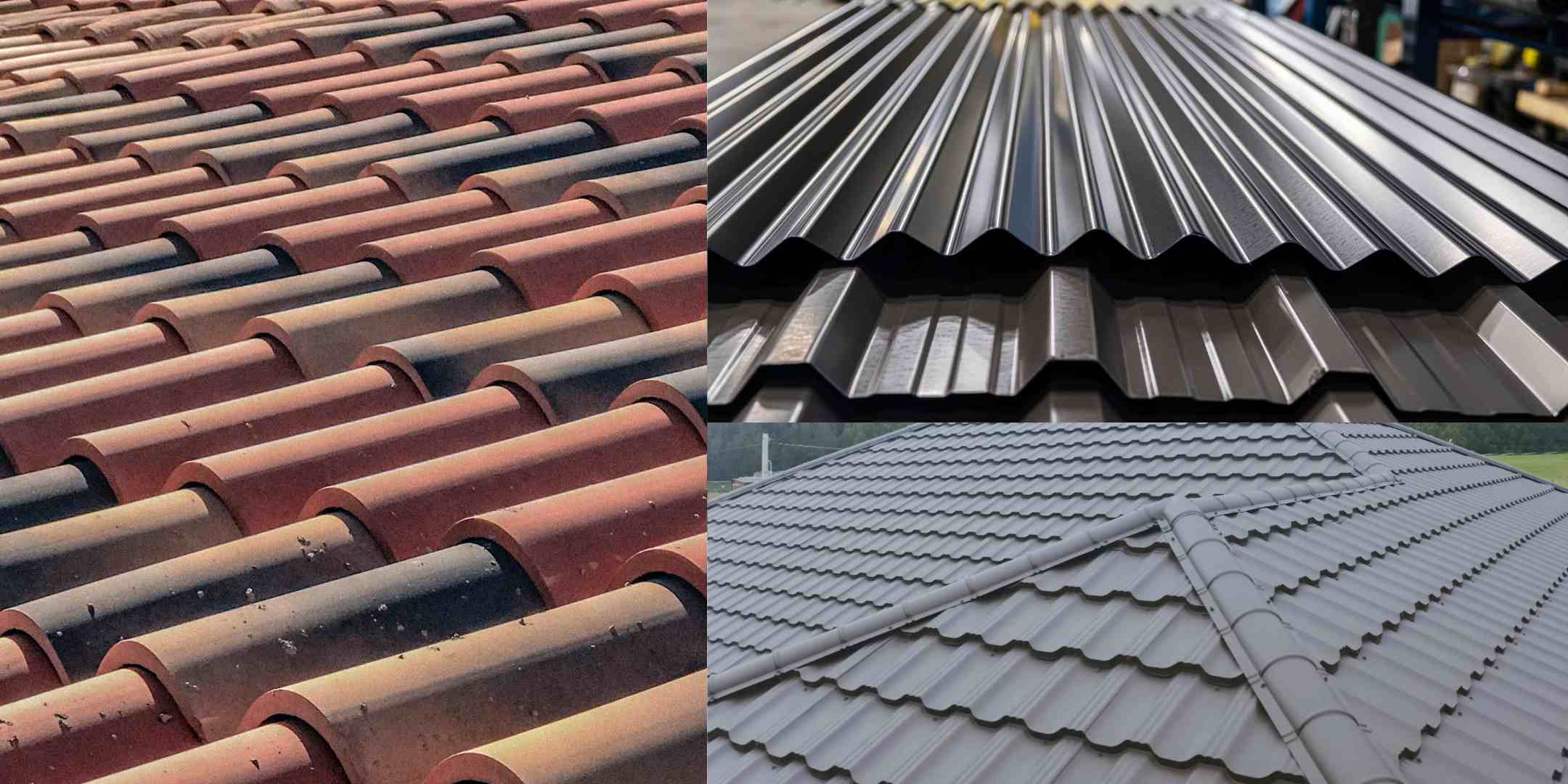
| Class A (Best) | Effective against severe fire exposure | Concrete tile, clay tile, metal, some asphalt |
| Class B | Effective against moderate exposure | Some treated wood shakes |
| Class C | Effective against light exposure | Some untreated materials |
| Unrated | No fire protection testing | Old wood shakes, damaged roofing |
👉 California Building Code requires Class A roofing for all new construction and reroofs in WUI (Wildland-Urban Interface) zones.
Ember-Resistant Vents: The Upgrade Most People Miss
Standard attic and roof vents have openings large enough for burning embers to enter. Once an ember gets into your attic, the fire starts from inside your home.
Standard vs Ember-Resistant Vents
| Feature | Standard Vent | Ember-Resistant Vent |
|---|---|---|
| Mesh size | 1/4 inch or larger | 1/16 inch or interlocking baffle |
| Ember blocking | None | Blocks embers up to 1,500°F |
| Cost per vent | $15 – $40 | $50 – $150 |
| Total upgrade cost | N/A | $500 – $2,500 (full home) |
| Code requirement (WUI) | Not compliant | Required |
This is one of the cheapest and most impactful upgrades you can make. For $500 to $2,500, you’re closing one of the biggest vulnerability gaps in your home.
Gutters: A Fire Risk Hiding in Plain Sight
Gutters collect leaves, pine needles and debris. During a wildfire, a single ember landing in a debris-filled gutter can ignite your entire eave system.
Gutter Solutions for Wildfire Protection
| Option | Cost | Effectiveness |
|---|---|---|
| Regular cleaning (quarterly) | $150 – $300/year | Depends on consistency |
| Gutter guards/screens | $1,000 – $3,000 | Reduces debris accumulation |
| Metal gutters with guards | $2,000 – $4,000 | Best protection combination |
| Non-combustible gutter system | $2,500 – $5,000 | Maximum fire resistance |
How Home Hardening Affects Your Insurance
This is where the math gets interesting. Homeowners in fire-prone San Diego areas are seeing insurance premiums skyrocket. Some are getting dropped entirely.
Home hardening can change that conversation:
| Factor | Insurance Impact |
|---|---|
| Class A roof | Can qualify for 5 – 15% premium reduction |
| Full home hardening package | May qualify for Wildfire Mitigation Discount |
| IBHS Fortified Home designation | Significant premium reductions (varies by carrier) |
| Non-hardened home in WUI zone | Risk of non-renewal or dramatically higher premiums |
👉 Some California insurance programs, including the FAIR Plan, offer better rates to homes with documented hardening upgrades. Keep receipts and get contractor documentation.
Home Hardening Grants and Incentives in San Diego (2026)
California has been expanding financial assistance for home hardening:
CAL FIRE Home Hardening Program provides grants for qualifying homeowners in high-fire-severity zones. The amounts and availability change annually, so check with your local fire safe council.
San Diego County programs may offer additional rebates or cost-sharing for defensible space and exterior hardening upgrades. Contact the County Office of Emergency Services for current offerings.
Insurance discounts as mentioned above can offset your investment over time, making the net cost significantly lower than the sticker price.
Frequently Asked Questions About Home Hardening
Is home hardening required by law?
In WUI zones, certain hardening elements are required by California Building Code for new construction and major reroofs. For existing homes outside WUI zones, it’s currently voluntary but increasingly encouraged by insurers.
How much does full home hardening cost?
A comprehensive package (roof, vents, gutters, eaves, windows) typically runs $20,000 to $60,000 depending on home size and current condition. Most homeowners start with the highest-impact items: roof, vents and gutters.
Does home hardening increase property value?
Yes. In fire-prone San Diego areas, a hardened home is more attractive to buyers, easier to insure and commands a premium. It’s both protection and investment.
Can I do home hardening in phases?
Absolutely. Start with your roof (the biggest risk), then add ember-resistant vents and gutters. Tackle windows, siding and fencing over time as budget allows.
The Bottom Line
Home hardening isn’t optional if you want to protect your San Diego home, keep your insurance and preserve your property value. The good news is you don’t have to do everything at once.
Start with the roof. It’s the single highest-impact upgrade. Add vents and gutters. Build from there.
The cost of hardening is real. But the cost of not hardening (losing your home, losing your insurance, losing your property value) is far higher.
👉 Schedule a free home hardening assessment and find out which upgrades make the biggest difference for your property.