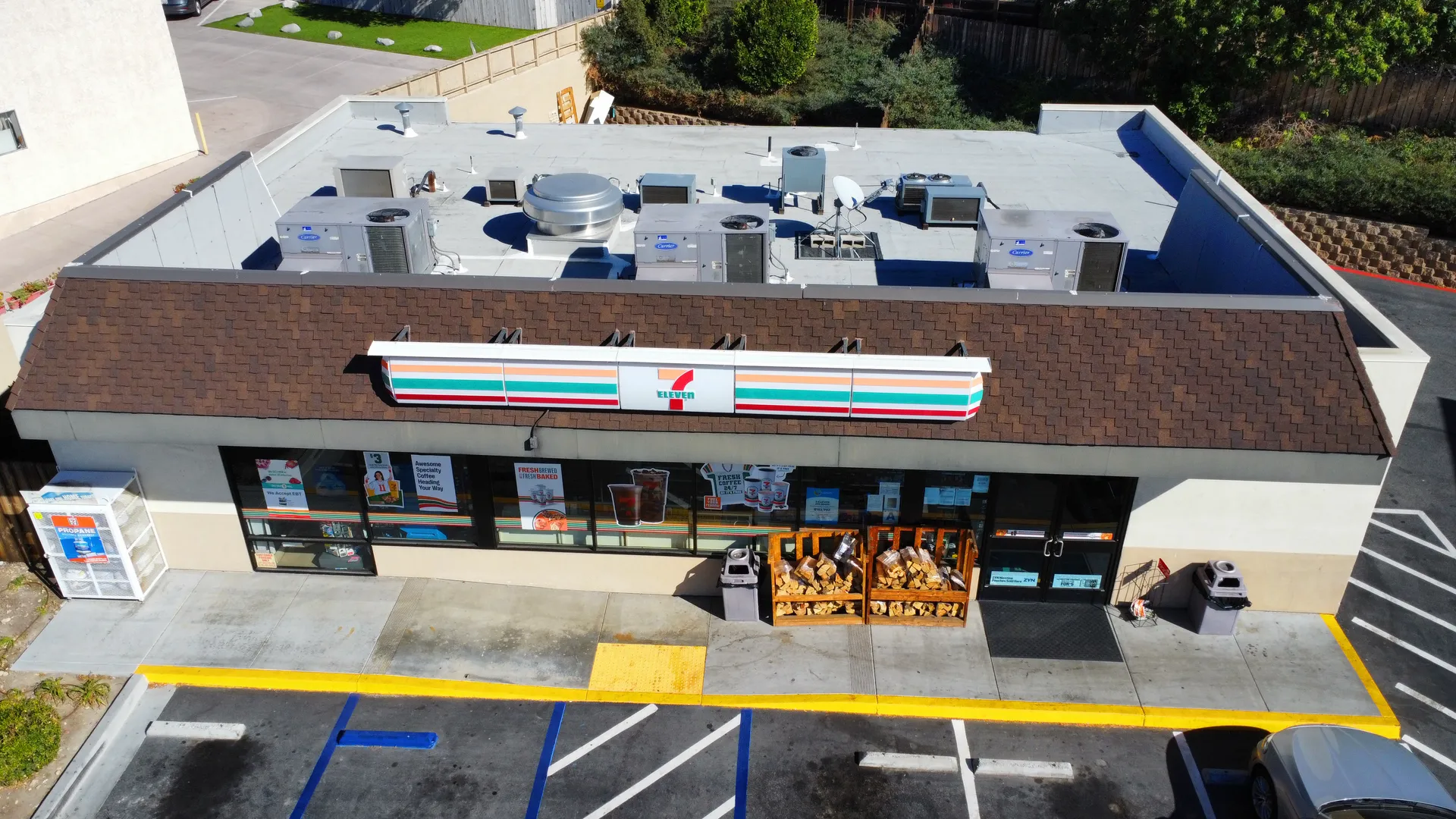
When something goes wrong with a roof, most homeowners share the same worry. Will the repair actually solve the problem or will the issue return the next time it rains. In communities across San Diego, Carlsbad, La Jolla, Del Mar, Encinitas, Solana Beach, Rancho Santa Fe, Poway, Scripps Ranch and neighboring areas, roofing repairs play a major role in protecting a home’s structure and long term value. The key is making sure the work is done correctly the first time rather than relying on temporary fixes that only delay the next problem.
A proper roofing repair is not just about patching a leak. It requires identifying the cause, correcting underlying issues, and restoring the roofing system so the repair integrates fully with the rest of the structure. This guide explains what a high quality repair should look like, why many repairs fail, and how homeowners can protect their property with solutions that last.
Why Many Roofing Repairs Fail
The biggest reason roof repairs do not hold is that the visible problem gets addressed but the underlying cause is ignored. Roofs rarely leak without a deeper issue hidden beneath the surface. Sun damage, aging underlayment, improper flashing, ventilation imbalance, or material deterioration often contribute to the failure. Simply patching the surface does not resolve these system level problems, which is why leaks return even after a recent repair.
Another reason is the use of incorrect materials or techniques. Roofing components must match the system they are being added to. When incompatible sealants, poor flashing techniques, or temporary fillers are used, the repair looks complete on the outside but does not have the durability to withstand seasonal changes. A proper repair must restore the integrity of the entire area, not just cover up the signs of a leak.
Examples of Repairs That Frequently Fail
Flashing around chimneys and skylights is one of the most common areas where repairs fail. If the flashing is not replaced or resealed correctly, water slips behind the metal and travels down into the home. Valley repairs also fail because water moves quickly through these channels and will penetrate weak points if the shingles or underlayment are not layered properly.
Flat roof repairs fail for a different reason. Water does not run off flat surfaces as quickly as it does on pitched roofs. If seams are not heat welded or sealed correctly, moisture slowly works its way under the membrane. This leads to bubbling, soft spots, and eventual interior leaks.
What a Proper Roofing Repair Should Include
A repair that lasts begins with a full diagnostic process. The roofer should inspect the surrounding areas, the underlayment, the decking, and the ventilation patterns that influence heat and moisture levels. This allows the team to identify whether the visible leak is part of a larger problem or a localized issue.
Once the cause is identified, the repair should include removal of all affected materials. This often means replacing shingles or tiles, reinstalling flashing correctly, and rebuilding the underlayment so the repair integrates seamlessly with the existing roof. A high quality repair matches the original system in both function and material composition so that the roof performs exactly as it was designed.
How Diagnostic Accuracy Impacts Long Term Results
Below is a simple comparison showing how the level of diagnostic detail affects long term repair outcomes.
| Diagnostic Level | Repair Outcome | Risk Over Time |
|---|---|---|
| Thorough inspection of decking, flashing, and underlayment | Long lasting repair that integrates with the roofing system | Very low |
| Inspection limited to surface shingles or tiles | Temporary repair that may not address underlying issues | Moderate |
| Quick patch without inspection | Short term solution that often fails during next rainfall | High |
How Weather Patterns in San Diego Influence Repairs
San Diego’s climate creates unique challenges for roofing systems. Strong sun exposure weakens adhesive layers and causes materials to expand and contract over time. Coastal neighborhoods experience moisture and salt air that accelerate corrosion and degrade flashing. Inland areas face temperature swings that create stress on roofing membranes and underlayments.
This combination of conditions means repairs must consider more than the immediate problem. For example, older underlayment may become brittle from sun exposure and lose its ability to protect the decking from moisture. Even if the repair looks clean on the outside, the underlayment may no longer offer reliable protection. A long term repair addresses these factors rather than applying a cosmetic fix.
Types of Repairs Most Common in San Diego County
Homes in different regions of the county tend to experience different types of issues depending on architectural style and weather exposure. Coastal neighborhoods such as La Jolla, Del Mar, Solana Beach often experience flashing corrosion and moisture driven leaks around roof penetrations. Inland areas such as Poway, Scripps Ranch, Rancho Bernardo see more heat related wear on shingles and underlayment.
Tile roofs frequently require repairs involving cracked or displaced tiles, especially in homes built several decades ago. The tiles themselves may stay intact while the underlayment deteriorates beneath them. This leads to slow leaks that only appear during heavy rainfall. A proper repair replaces both the tile and the protective layers underneath rather than reinstalling tiles over worn out material.
Shingle roofs require repairs around valleys, vents, skylights, and ridges where water flow is strongest. These areas must be rebuilt with correct layering and precision because even a small gap can lead to a leak during a storm.
Which Repair Types Add the Most Long Term Value
| Repair Type | Long Term Impact | Typical Lifespan |
|---|---|---|
| Full underlayment replacement in affected sections | Restores complete waterproofing performance | 20 to 30 years depending on material |
| Flashing replacement around penetrations | Eliminates highest leak risk areas | 15 to 25 years |
| Surface patching without system repair | Temporary fix that does not address root cause | 6 months to 3 years |
Why Homeowners Choose Dana Logsdon Roofing and Solar for Repairs
With more than 35 years of experience across the county and more than 30,000 completed roofing projects, Dana Logsdon Roofing and Solar is known for repair work that solves the problem instead of postponing it. The team approaches each repair with a full system mindset, inspecting the surrounding roof structure, identifying underlying issues, and restoring protection using methods that meet both manufacturer and building standards.
Homeowners rely on the company for clear explanations, transparent recommendations, and repair work that blends seamlessly into existing roofing systems. Whether the home uses tile, shingle, flat roofing, or a combination of materials, the team provides solutions that stand up to San Diego’s climate and protect the home long term.
When It Is Time to Request a Repair
If you notice stains on ceilings, cracked tiles, missing shingles, moisture in the attic, or leaks during rain, it is time for a professional inspection. Addressing these issues early prevents widespread damage and protects the structural components of your home. The Dana Logsdon team can assess the situation, identify the cause, and provide a detailed plan for a long lasting repair.
CSLB License: #699151
Main Office: (619) 390 8177
Downtown Office: (619) 870 2221
Email: [email protected]
A repair done right the first time saves money, prevents stress, and protects your home for years to come. With the right expertise and a system focused approach, your roof can be restored to full strength with confidence.