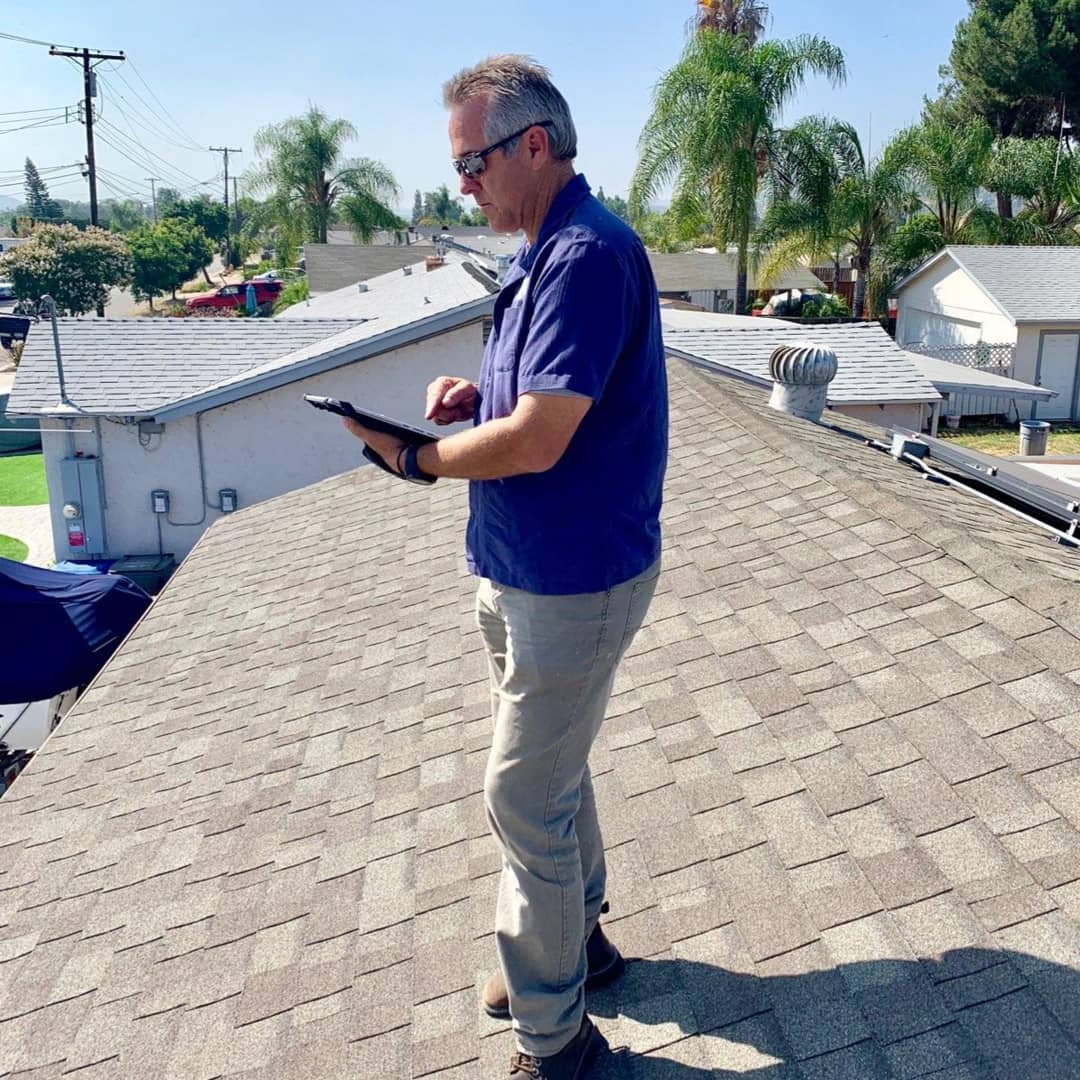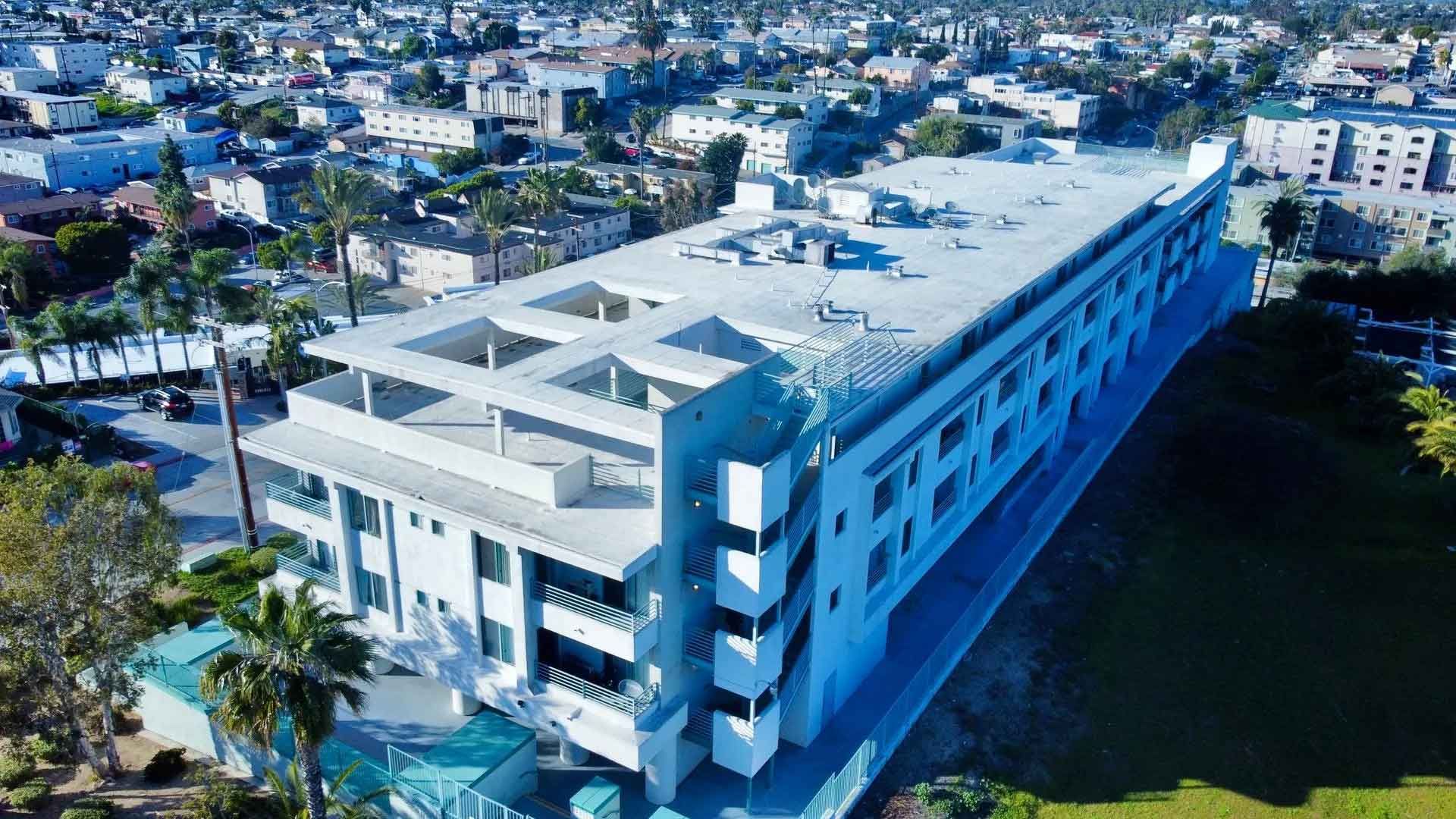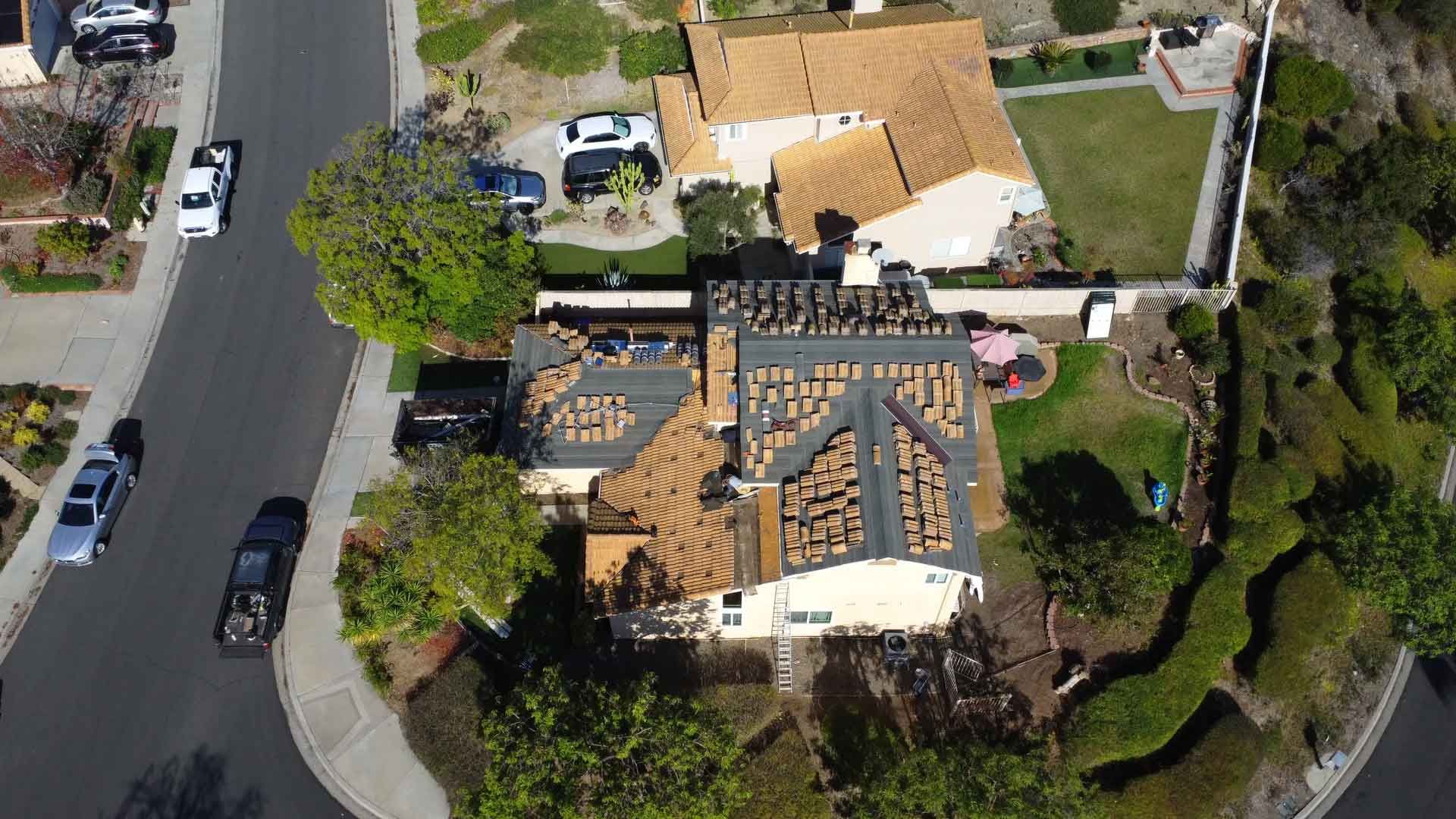
“Do I need a permit for a new roof?” is one of the first questions homeowners ask, and in San Diego County the honest answer is: it depends on where you live and what the job involves. The county has 18 incorporated cities plus large unincorporated areas, and each building department applies the state codes in its own way. A straightforward reroof in one city may need no building permit at all, while the same job a few miles away requires an application and inspections.
This guide explains the rules in the areas we work most often, the situations that trigger a permit almost everywhere, and what to ask your contractor so nothing gets missed.
Why Roof Permits Matter
A permit is not just paperwork. It is how a building department confirms that the new roof meets fire rating, structural and energy requirements. Skipping a required permit can cause real problems later:
- Buyers and their inspectors can flag unpermitted work during escrow, which can delay or renegotiate a sale
- Insurance companies may ask questions after a claim if work was done without required approvals
- Building departments can require corrections, fees or even removal of non-compliant work
- You lose the independent inspection that catches installation mistakes before they are covered up
If you are selling soon, our guide to pre-sale roof inspections explains how roof paperwork affects escrow.
City of San Diego: What Information Bulletin 123 Says
The City of San Diego publishes its reroofing rules in Information Bulletin 123, most recently updated in September 2026. The key idea is simple: renewing the roof covering is treated differently from changing the roof structure.
| Situation in the City of San Diego | Building Permit Needed? |
|---|---|
| Replacing the roof covering only, roof structure and diaphragm not altered | Generally no |
| Replacing damaged sheathing in-kind on a single-family home, duplex or townhouse, up to 25% of the roof area | No |
| Placing plywood or OSB over remaining skip sheathing, total new roofing and substrate 6 lbs per sq ft or less | No |
| Altering or replacing structural framing, sheathing, supports or lateral elements | Yes, with structural plans and calculations |
| Removing wood shakes, wood shingles or asphalt shingles and installing roofing heavier than 6 lbs per sq ft (such as most tile) | Yes, with structural plans and calculations |
| Removing skip sheathing and installing new plywood or OSB | Yes, with structural plans and calculations |
| Designated historical resource or adopted historic district | Always |
| Removing and reinstalling rooftop solar panels | Electrical permit required to reinstall |
| Removing and reinstalling rooftop HVAC or other equipment | Mechanical or plumbing permit required to reinstall |
A few other City of San Diego rules are worth knowing:
- Homes 45 years or older need plans submitted for historic review unless the work qualifies as exempt in-kind roof repair and replacement. That review typically takes about ten business days.
- Two existing layers of asphalt shingles or built-up roofing must be removed down to the deck before a new covering goes on.
- Wood shake and wood shingle renewals are generally not permitted, and new roofing cannot be applied over existing wood shakes or shingles.
- Class A roofing is required for new roofs and replacements, and if more than 25 percent of the roof is replaced within any 12-month period, the entire roof must be Class A.
- Very High Fire Hazard Severity Zones have additional fire protection requirements for buildings originally constructed on or after August 27, 2009.
- Energy code compliance may be triggered by a roof replacement under California Energy Code Section 150.2.
El Cajon: Reroof Permit Application
El Cajon handles reroofing through a Re-Roofing Application from its Building and Fire Safety Division. Highlights from the current application:
| El Cajon Requirement | What It Means for You |
|---|---|
| Reroof application | Contractors submit a reroof application for roof replacement or roof recover projects |
| Tear-off inspection | An inspection of the roof is required after tear-off and before the new covering is applied |
| Heavy tile | Tile weighing more than 5.9 lbs per sq ft requires a building permit with engineering calculations |
| Fire rating | Very High Fire Hazard Severity Zones require Class A roofing, other areas a minimum of Class C, and no wood shingles |
| Cool roof (Climate Zone 10) | Residential roofing must be CRRC-certified as a cool roof, or meet minimum aged solar reflectance of 0.20 and thermal emittance of 0.75, or an SRI of 16, unless an exemption applies |
| Energy paperwork | When a cool roof is required, the installer submits form CF2R-ENV-04-E at final inspection |
| Solar removal | A final reroof inspection may be requested when a solar system is removed and reinstalled |
El Cajon’s cool roof exemptions include projects that replace less than 50 percent of the roof area. Other common statewide exceptions for steep-slope roofs include homes with R-38 attic insulation, a qualifying radiant barrier or no ducts in the attic. Many modern shingles and tiles are CRRC rated, so meeting the rule rarely limits your color choices.
Unincorporated San Diego County
If you live in an unincorporated community such as Spring Valley, Lakeside, Alpine, Ramona, Fallbrook or Valley Center, the County of San Diego Planning & Development Services handles building permits. Reroofs go through a building permit application, and the county offers a Building Self-Certification Program for qualifying work.
- Self-certification. A non-structural roof replacement on an existing single-family home or accessory structure can be self-certified by a qualified California-licensed contractor or design professional, who signs off the inspection checklist instead of waiting for county inspections. The county performs random audits.
- Checklist items include installing a Class A rated roof and code-compliant attic ventilation that meets Wildland Urban Interface requirements.
- Structural reroofs that alter roof framing need stamped plans and calculations and require Fire District review.
- Added weight. If the new roofing adds load to the roof, structural analysis by a California-licensed engineer is required.
- Layer limits. On steep-slope roofs, asphalt shingle recovers are limited to two layers.
Much of the unincorporated county sits in elevated fire hazard areas, so expect fire-resistance details like ember-resistant vents and Class A assemblies to be part of the job. Our guides on ember-resistant vents and home hardening explain why.
Other San Diego County Cities
Chula Vista, Santee, La Mesa, Poway, Escondido, Oceanside, Carlsbad, Vista, San Marcos, National City, Lemon Grove, Coronado, Encinitas and the other incorporated cities each run their own building departments and adopt the state codes with local amendments. Application steps, fees and inspection requirements vary from city to city. The safest approach is to have your roofing contractor confirm the requirements for your address before the contract is signed, and to get that answer in writing.
Triggers That Usually Mean a Permit Anywhere
Even in places where a simple reroof is exempt, these situations almost always bring a permit, plans or an inspection into the picture:
| Trigger | Why It Matters |
|---|---|
| Changing to a heavier material (shingles to tile) | The framing must be checked for the added weight |
| Replacing or adding roof sheathing or framing | Structural work needs plans and inspection |
| Removing and reinstalling solar panels | Electrical work requires its own permit |
| Moving or replacing rooftop HVAC equipment | Mechanical permits and possibly new curbs |
| Historic home or historic district | Design review to protect historic character |
| Adding skylights or new roof penetrations | New openings in the roof structure |
| Replacing half or more of the roof in a cool roof climate zone | Energy code documentation and product ratings |
What Happens During Roof Inspections
When inspections are required, they usually happen at two points. The first is after tear-off (sometimes called a deck or nailing inspection), when the inspector checks the roof deck, sheathing repairs and fastening before anything is covered. The second is the final inspection, when the finished roof, flashings, ventilation and any energy compliance forms are reviewed. A good contractor schedules these around the work so your home is never left exposed while waiting on an inspector.
Who Should Pull the Permit?
Your roofing contractor should pull the permit in their own name. That keeps the responsibility for code compliance with the licensed professional doing the work. Be cautious if a contractor asks you to pull the permit yourself as an owner-builder. That can shift legal responsibility, and potentially liability for workers, onto you.
Before signing, confirm that the contractor holds an active California license with the Contractors State License Board. Roofing contractors are licensed under the C-39 Roofing classification. Our guide to hiring a roofing contractor in San Diego covers what else to check.
Questions to Ask Your Contractor About Permits
- Does my address need a building permit for this specific scope of work, and how did you confirm it?
- Will you pull the permit in your company’s name and schedule all inspections?
- Is my home in a Very High Fire Hazard Severity Zone, and what fire-resistance details does that add?
- Does this project trigger cool roof requirements, and which CRRC-rated product are you using?
- If we find damaged sheathing, at what point does the repair become structural work that needs a permit?
- If I have solar, who handles the electrical permit for removing and reinstalling the panels?
Clear, specific answers to these questions are a good sign. Vague answers like “we never pull permits” or “it is not needed anywhere” are a reason to keep looking.
How Much Do Roof Permits Cost?
Fees vary by city and by the value and scope of the project. In our roof replacement cost guide, permits and city inspections typically add about $300 to $1,000 to a residential project, while structural work with engineered plans costs more. Your contractor should list permit fees as a separate line on the estimate so you can see exactly what you are paying for.
Frequently Asked Questions
Do I need a permit to replace my roof in the City of San Diego?
Generally not, if you are only renewing the roof covering and the roof structure is not altered. A permit is required for structural work, replacing skip sheathing with plywood, switching from shingles or shakes to roofing heavier than 6 pounds per square foot, and for designated historic properties.
Does El Cajon require a roofing permit?
Yes. El Cajon uses a Re-Roofing Application for roof replacements and recovers, and requires an inspection after tear-off before the new roof covering goes on. Tile heavier than 5.9 pounds per square foot needs a permit with engineering calculations.
Do I need a permit to repair my roof?
Small repairs, like replacing a few shingles or tiles or fixing flashing, usually do not need a permit. In the City of San Diego, replacing damaged sheathing in-kind is allowed without a permit up to 25 percent of the roof area on single-family homes, duplexes and townhouses.
Who pulls the permit for a roof replacement?
Your licensed roofing contractor should pull it in their own name and schedule the inspections. Be cautious about pulling an owner-builder permit for work a contractor is performing.
What happens if I replace my roof without a required permit?
Unpermitted work can surface during a home sale, create questions with insurers and lead to corrections or fees from the building department. It also means no independent inspection of the work.
Is a cool roof required when I replace my roof?
It depends on your climate zone and roof type. Inland Climate Zone 10 areas like El Cajon generally require a CRRC-rated cool roof product when half or more of the roof is replaced, unless an exemption such as R-38 attic insulation applies.
Want the permit side handled for you? Dana Logsdon Roofing & Solar has been roofing homes across San Diego County since 1994, and we know how each local building department works. Call (619) 390-8177 or request a free estimate to talk through your project.