In an era of increasing environmental consciousness and rising energy costs, homeowners in California are seeking ways to reduce their carbon footprint and save on energy expenses. One effective solution is investing in energy-efficient roofing systems. By improving insulation, reducing heat transfer, and utilizing sustainable materials, homeowners can create a more comfortable living environment while reducing their energy consumption. In this blog post, we’ll explore the benefits, options, and considerations for energy-efficient roofing solutions for California homes.
The Benefits of Energy Efficient Roofing
- Reduced energy consumption and lower utility bills
- Improved indoor comfort through better insulation and temperature regulation
- Environmental benefits, including reduced greenhouse gas emissions
- Eligibility for tax incentives and rebates promoting energy efficiency
Energy Efficient Roofing Options for California Homes
Cool Roofs: Cool Roofing systems have the ability to reflect sunlight and reduce overall heat absorption of your home. Options include special coatings and reflective shingles and tiles.
Green Roofs: Green roof systems are comprised of vegetation and a growing medium on the roof surface that can offer numerous environmental benefits. These benefits encompass improved air quality, reduced storm water runoff, and enhanced insulation. Some factors to consider when implementing a green roof involve evaluating the structural support capabilities, waterproofing measures, and maintenance requirements.
Insulated Roofs: Various types of insulation, including spray foam, rigid foam, and blown-in insulation, offer effective solutions for reducing heat transfer. However, it’s essential to consider proper ventilation as well to prevent moisture buildup and maintain optimal energy efficiency levels. Adequate ventilation helps regulate indoor humidity levels, mitigating the risk of condensation and mold growth, while also ensuring the insulation performs optimally.
Additional Energy Saving Measures
- Installation of solar panels or solar roofing systems for clean and renewable energy generation
- Efficient roof design considerations, such as incorporating skylights or solar tubes for natural lighting
- Proper roof maintenance practices to ensure ongoing energy efficiency
Investing in energy efficient roofing solutions is a wise choice for California homeowners who want to reduce energy consumption, lower utility bills, and minimize environmental impact. Whether it’s through cool roofs, green roofs, or insulated roofing, there are plenty of options available. By considering the benefits, evaluating suitability for your home, and seeking professional guidance, you can make an informed decision that enhances the energy efficiency of your roof and contributes to a greener, more sustainable future. Embrace energy efficiency and enjoy the comfort and savings it brings.
1. Tile Roofs
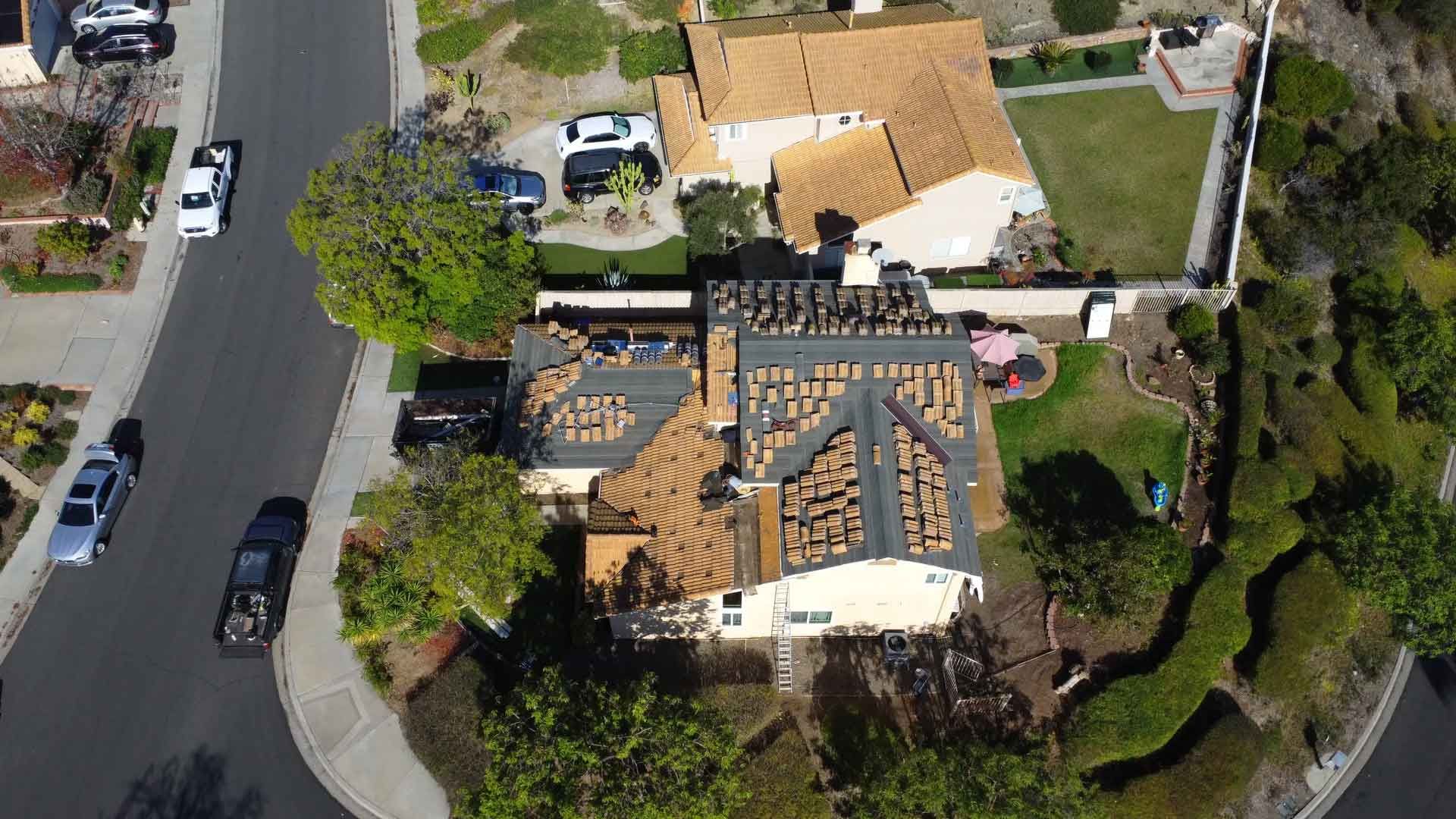
Tile materials like slate, clay, and concrete feature impressive energy-efficient abilities. Roofers lay tiles individually rather than in sheets, as with metal and shingles, creating natural airflows. Air moves freely between the tiles, allowing warm air to leave the roofing area quickly. The airspaces also serve as an insulation layer to maximize energy efficiency. However, tile roofs are quite expensive and may not suit your roofing budget. If you invest in tile roofs, you enjoy a long lifespan, as clay tiles and other tile materials can last up to 200 years.
Metal is versatile since it features many colors and shapes, such as shakes, tiles, and panels. The material reflects most of the sun’s rays into the air, leaving your home cooler and reducing your reliance on air conditioning. Roofing manufacturers coat metal sheets with reflective pigments to enhance energy efficiency. Select light-colored metal roofing to enjoy reduced utility bills. Many commercial managers and homeowners also select metal roofing systems for sustainability. Manufacturers use recyclable materials to forge metal roofs, so the roof is 100% recyclable at the end of its life.
3. Asphalt Roofing
Asphalt shingles are immensely popular due to their affordability and ease of installation. However, most asphalt shingles don’t have reflective properties, and you must be keen when shingle shopping. You want Energy Star rated shingles with reflective granules that facilitate sun reflection and minimize heat absorption. This type of roof is more affordable than other energy-efficient roofing options. Asphalt shingles can last up to 50 years, and you can extend the roof’s lifespan with regular professional maintenance.
4. Solar Shingles
Solar shingles or solar tiles are a new technology that generates energy at home. According to Modernize, each solar shingle produces about 13 to 63 watts of energy and reduces a home’s energy expenses by 40% to 70%. Manufacturers design solar tiles to resemble standard shingles, which are great alternatives to solar panels. Solar shingles withstand rain, hail, and wind and boost your home’s value. The major disadvantage of solar shingles is their hefty price tag. For instance, Tesla prices solar tiles at $14 to $19.95 per square foot without accounting for accessory equipment. However, the tiles pay for themselves in the long run via lower utility bills and incentives. You also get a futuristic aesthetic at your home or commercial building.
5. TPO
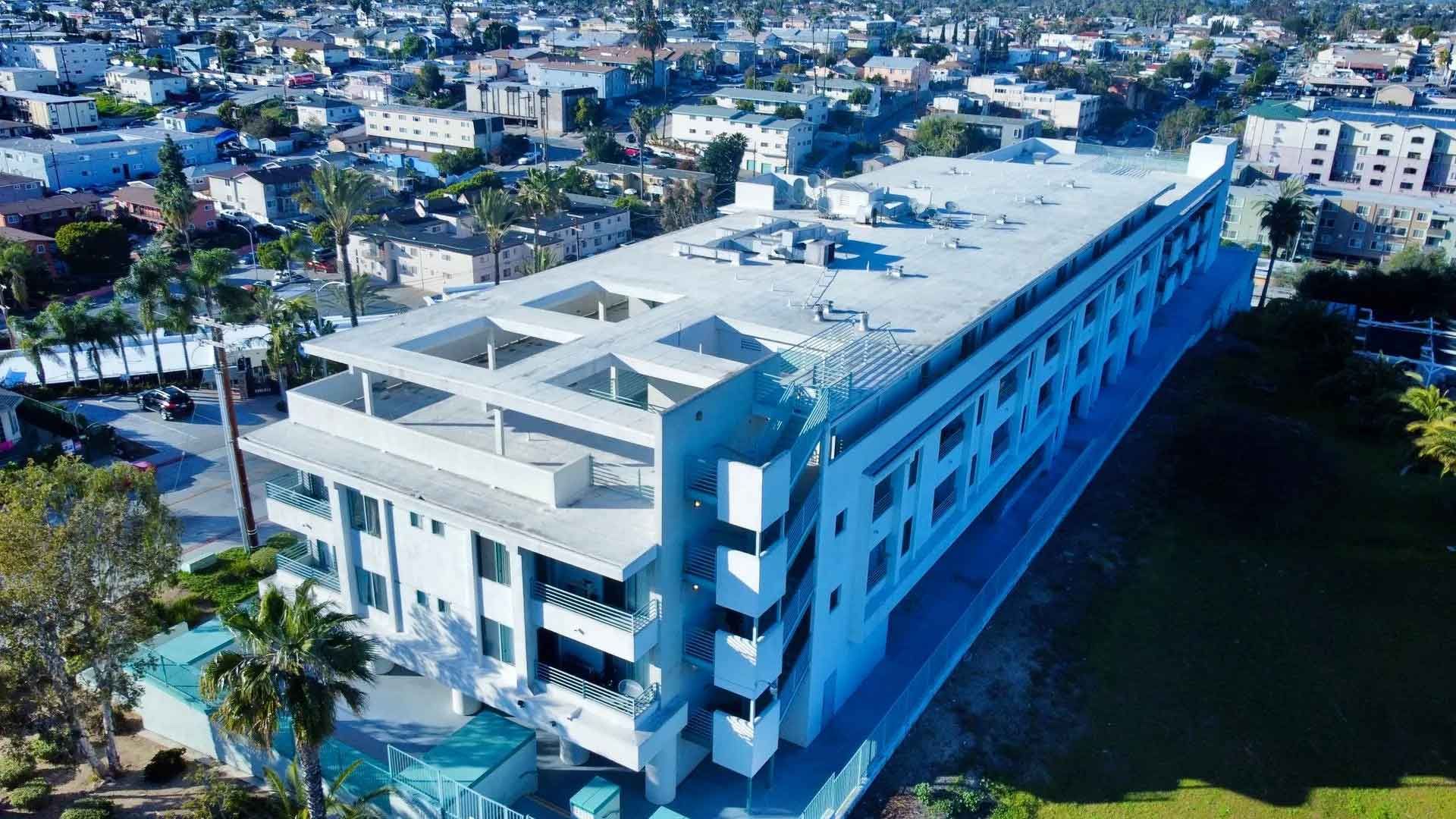
Thermoplastic polyolefin roofing (TPO) is a single-ply material made from a blend of rubbers and fillers like talc and fiberglass. It is quite popular in commercial properties, where its white, reflective surface saves on cooling costs and keeps the interior comfortable. You can also use TPO for low-pitched residential roofs to reflect the sun’s heat. Roofers install TPO as a large roll, unlike the shingles, sheets, and tiles that come with traditional roofing materials. Then, the contractors secure the TPO roll to your roof with a bonding adhesive, mechanical attachment, or seal. Roofers add insulation before extending the membrane to boost your roof’s heat resistance. TPO lasts between 15 to 30 years, according to Angi. Energy-efficient roofing tames your cooling costs, makes your living spaces more comfortable, and extends your roof’s lifespan. At Dana Logsdon Roofing & Solar, we install different roofs to achieve your sustainability and energy-efficiency goals. Contact us today to explore your roof options.