How California’s Insurance Market Got Here
Between 2017 and 2024, California experienced the most destructive wildfire seasons in state history. Insurance carriers paid out tens of billions in claims, far exceeding what their premium models had anticipated. The response was predictable: pull back, raise prices, decline new policies, refuse renewals.
In 2022 the California Department of Insurance launched the Safer From Wildfires framework, which requires carriers to recognize specific home hardening measures with documented discounts and eligibility adjustments. This was the regulatory acknowledgement that homeowners need a path to remain insurable. It also gave hardening upgrades a direct, measurable financial benefit beyond just fire safety.
What Safer From Wildfires Actually Requires Carriers to Recognize
The framework defines specific mitigation actions across three areas: the structure itself, defensible space around it, and the broader community. For the structure, the measurable upgrades include:
- Class A fire-rated roof
- Ember-resistant vents (state-listed products)
- Five-foot non-combustible zone around the home
- Upgraded windows (dual pane or tempered)
- Enclosed eaves and decks
- Sealed gaps and penetrations
Carriers writing in California are required to recognize and offer discounts for these measures when properly documented. The discounts vary by carrier but consistently fall in the 5 to 25% range for full hardening packages.
The eligibility shift: Discounts matter, but the bigger value of documented hardening is often eligibility itself. Many homes that wouldn’t qualify for any standard policy become insurable again with documented Class A roofing and ember-resistant vents.
What Documentation Carriers Actually Want
“I hardened my home” doesn’t move the underwriting needle. Specific, verifiable documentation does. The package that consistently works:
| Upgrade | Required Documentation |
|---|---|
| Class A roofing | Manufacturer spec sheet, ASTM E108 or UL 790 rating reference, installation photos, contractor license info |
| Ember-resistant vents | California State Fire Marshal BML listing number, product photos, install photos |
| Defensible space | Photos of cleared zone, dated, ideally with Cal Fire inspection if available |
| Window upgrades | Receipts, manufacturer spec sheets noting dual pane or tempered glass |
| Gap sealing | Contractor letter describing scope, photos of sealed areas |
| Inspection reports | Signed by licensed contractor (CSLB number visible), dated within 12 months |
A licensed roofer running a proper home hardening project will produce all of this as part of the project deliverables, not after the fact.
How to Approach Your Carrier After Upgrades
Once the work is done, the documentation needs to actually reach your carrier and trigger a review. Here’s the process that works:
- Compile the documentation package. Put everything in one PDF if possible. Manufacturer sheets, photos, contractor letter, BML numbers.
- Call your agent or carrier directly. Don’t just email and hope. Ask specifically about the Safer From Wildfires discount and what’s needed.
- Submit before renewal. Don’t wait until 30 days before your policy expires. Carriers need time to process and reflect changes.
- Get the rate quoted in writing. Before vs. after pricing should be documented. This is also useful if you later shop carriers.
- Follow up. If you don’t hear back in two weeks, call again. Insurance companies are slow and renewals can slip through cracks.
When Hardening Helps With New Policies
If you’ve been non-renewed or are buying a new home, documented hardening becomes a tool for getting new coverage. Carriers writing in San Diego County now routinely ask about roof type, vent type and defensible space on initial applications. Affirmative answers backed by documentation can move a home from “uninsurable” to “eligible.”
Some carriers will only issue policies after a hardening verification. Others charge significant surcharges for unhardened homes that get harder to absorb each year. The financial gap between hardened and unhardened homes is widening, and that gap is showing up in property values too.
Resale impact: San Diego real estate agents increasingly report that documented home hardening is becoming a buyer expectation in fire-prone zones. Homes without it sometimes sit longer or sell at small discounts as buyers factor in the work they’ll need to do.
The FAIR Plan Question
For homeowners who can’t get standard coverage, the California FAIR Plan is the state-backed last resort. It’s expensive, offers limited coverage, and requires a separate wraparound policy for liability and other risks. Home hardening helps with FAIR Plan in two ways:
- Reducing the time you’re stuck there. Carriers reviewing your home for standard coverage will weigh documented hardening heavily.
- Lowering FAIR Plan premiums. The plan itself recognizes some hardening measures with rate adjustments.
The path off FAIR Plan and back into a standard policy almost always runs through documented hardening. Without it, you’re often stuck regardless of what else changes.
Cost vs. Insurance Savings: The Real Math
Home hardening isn’t free. A typical San Diego full-package upgrade (Class A reroof, vent replacement, defensible space, sealing) runs $20,000 to $45,000 depending on the home. That’s serious money. But the insurance side of the math has changed dramatically:
- Annual premium reduction: $400 to $2,500+ depending on starting premium and risk zone
- Avoided non-renewal premium spike: potentially $3,000 to $8,000 per year
- Avoided FAIR Plan + wraparound: often $2,000 to $5,000 more than standard policies
- Property value protection: hardened homes resell better in fire-prone zones
Payback timelines vary, but most homeowners who do the full package see meaningful insurance savings inside 5 to 7 years even before considering wildfire protection itself. Financing options exist for hardening projects, and some California rebate programs help offset costs further.
Rebates and Grants Available in San Diego
The California Wildfire Mitigation Program, administered jointly by CAL FIRE and California OES, offers grants up to $40,000 for low-to-moderate income households to harden homes in qualifying zones. Pilot regions have expanded, and San Diego County participation is growing.
Local programs sometimes layer on top, including utility partnerships for vegetation management and county-level matching grants for specific upgrades. A qualified contractor familiar with these programs can help identify what you’re eligible for before quoting the work.
What to Look for in a Hardening Contractor
Not every roofer or general contractor handles hardening properly. The right partner will:
- Carry active CSLB licensing
- Hold manufacturer certifications for Class A products they install
- Be familiar with California Building Code Chapter 7A
- Provide BML listing numbers for every fire-rated product used
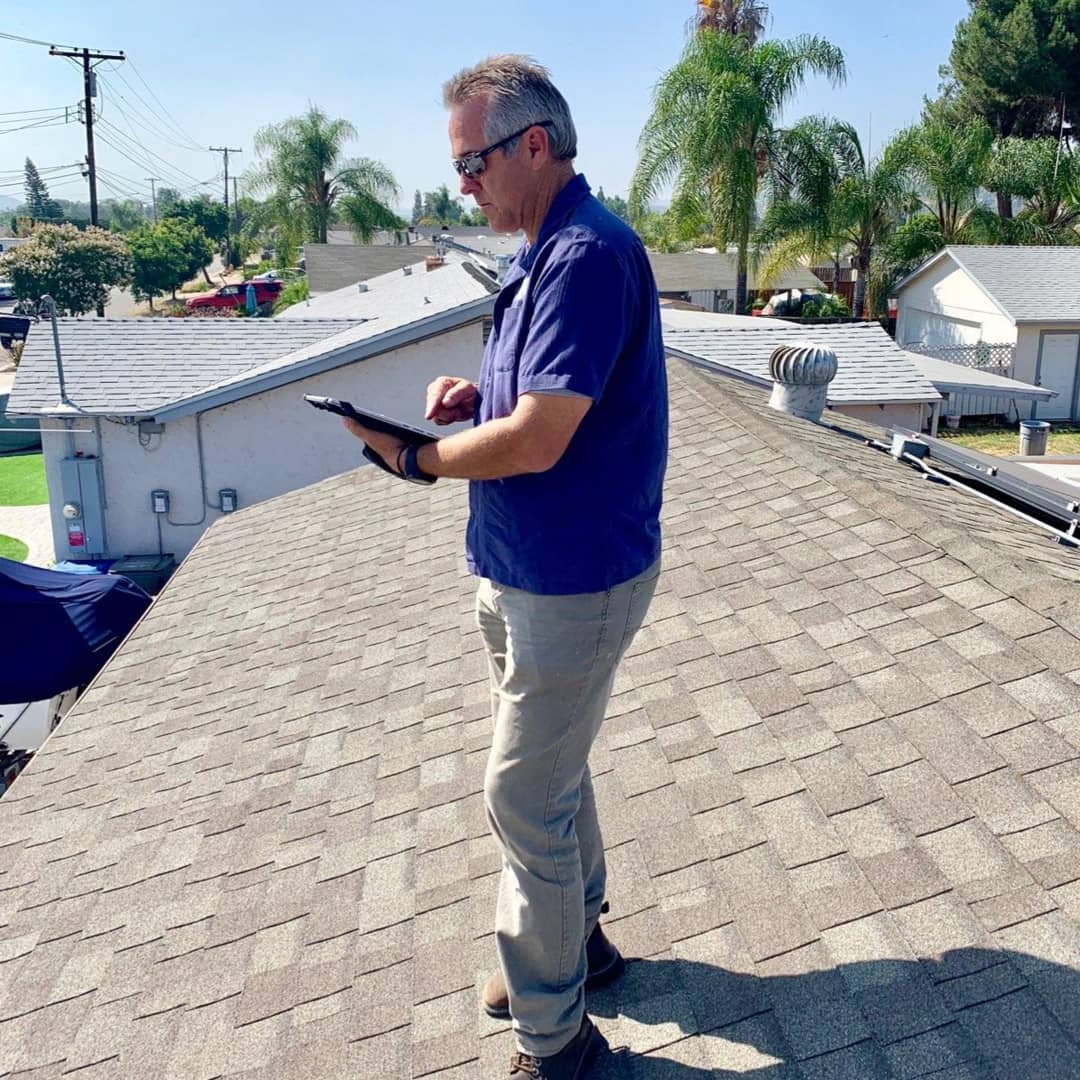
- Document the work with photos and a written report
- Help you compile the insurance documentation package
- Stand behind workmanship with a meaningful warranty
If a contractor can’t articulate the difference between Class A and Class B roofing, or doesn’t know what a BML number is, find someone else. This is specialized work and the documentation is half the value.
Frequently Asked Questions
Will home hardening guarantee my insurance won’t be canceled?
No. Insurance decisions involve many factors including overall risk zone, carrier strategy and claims history. However, documented hardening significantly improves the odds of renewal and qualification, and is one of the few factors homeowners directly control.
How much can I actually save on premiums?
Savings vary widely. Typical reductions for full hardening packages run 5 to 25%. The bigger financial benefit is often eligibility itself: avoiding non-renewal, exiting FAIR Plan, or qualifying for any policy at all in higher-risk zones.
Do I need to do everything at once or can I phase it?
Phasing works fine. Many homeowners start with the highest-impact items (roofing, vents) and add defensible space, window upgrades and sealing over time. Each step adds insurance value as it’s completed and documented.
What if my insurance still denies me coverage after upgrades?
Compliance documentation gives you appeal options and helps with carrier shopping. Independent insurance brokers familiar with the California market can often place hardened homes with carriers a homeowner wouldn’t find directly. The documentation also supports FAIR Plan applications if needed.
How recent does my hardening documentation need to be?
Most carriers want documentation within 12 to 24 months. Older documentation may need updating, especially for items like defensible space that can change with vegetation growth.
Are there hardening tax deductions or credits available?
Federal tax treatment is limited. State and local rebate programs are the more reliable financial offset. California’s wildfire mitigation grants are the largest single source for qualifying households.
Stay Insured. Stay Protected. Stay in Your Home.
Certified home hardening with full insurance documentation. Helping over 30,000 San Diego families since 1990.