If you own a home in San Diego, your roof is one of the biggest investments you’ll ever make. But how long will it actually last? The answer depends on several factors, including the roofing material you choose, the impact of the Southern California climate, how well you maintain your roof, and whether it was installed correctly in the first place.
At Dana Logsdon Roofing & Solar, we’ve inspected and replaced thousands of roofs across San Diego County over the last 30 years. Below, we break down average roof lifespans, explain what affects longevity, and share practical tips to help you get the most life from your roof.
Average Roof Lifespans in San Diego by Material
San Diego’s mild climate is more forgiving than harsher regions, but intense sun, coastal moisture, and occasional heavy rain all play a role in how long roofing systems last. Here’s what you can expect based on current industry standards and our decades of experience:
| Roofing Material | Average Lifespan |
|---|---|
| Asphalt Shingles | 20-30 years |
| Clay or Concrete Tile | 40-60 years |
| Metal Roofing | 50-70 years |
| TPO Roofing | 15-25 years |
| PVC Roofing | 20-30 years |
| Torch Down Roofing | 12-15 years |
Asphalt Shingles: These are the most common choice for San Diego homes due to their affordability and versatility. Basic 3-tab shingles are on the lower end of the lifespan range, while upgraded architectural shingles with proper ventilation and regular inspections will often last closer to 30 years.
Clay or Concrete Tile: Tile roofs are extremely popular in San Diego’s Spanish and Mediterranean architecture. When properly installed with a high-quality underlayment, tiles can easily last 50 years or longer. However, the underlayment may need replacement at the 20-25 year mark, even if the tiles themselves remain intact.
Metal Roofing: Metal is gaining popularity for its modern look and durability. A properly installed standing seam or metal panel roof can perform well for 50-70 years with minimal maintenance, making it one of the longest-lasting options.
TPO Roofing: For flat roofs, TPO offers strong weather resistance and energy efficiency. In San Diego’s sun, TPO membranes generally last about 15-25 years.
PVC Roofing: Similar to TPO, PVC is commonly used on flat or low-slope roofs. With proper installation and periodic inspections, PVC can last 20-30 years.
Torch Down Roofing: Torch down systems are another flat-roof option, typically lasting about 12-15 years in our climate.
How San Diego’s Climate Impacts Roof Longevity
While we enjoy mild temperatures, several local factors can shorten a roof’s lifespan if not addressed:
UV Exposure: The strong Southern California sun can dry out shingles and degrade membranes over time. Reflective roof coatings or “cool roof” materials can help slow damage.
Salt Air: Homes near the coast are exposed to salt that corrodes fasteners and can impact metal roof surfaces.
Seasonal Rain: Though San Diego has low annual rainfall, heavy winter storms can test your roof’s ability to shed water, especially if maintenance is neglected.
Wildfire Risks: Some neighborhoods face embers and heat exposure, which is why Class A fire-rated materials are highly recommended.
Factors That Affect Your Roof’s Lifespan Beyond Climate
Besides the environment, other factors play a big role in how long your roof lasts:
Quality of Installation: Even the best materials will fail early if installed improperly. That’s why Dana Logsdon Roofing & Solar uses certified crews and follows strict manufacturer guidelines.
Ventilation and Insulation: Proper airflow under your roof prevents moisture buildup and regulates attic temperatures, extending the life of shingles and underlayment.
Maintenance Frequency: Annual inspections catch small problems early. Replacing a few cracked tiles or resealing flashing is far cheaper than repairing major leaks.
Foot Traffic: Walking on tile or membrane roofs without protection can damage surfaces and cause premature wear.
Maintenance Tips to Maximize Roof Life
Whether your roof is brand new or approaching the end of its lifespan, these steps will help you protect your investment:
Schedule Professional Inspections Once a Year: Our team will look for signs of wear, damage, and leaks that may not be visible from the ground.
Clean Gutters and Downspouts Regularly: Clogged gutters can force water under shingles or tiles, leading to rot and mold.
Trim Overhanging Trees: Falling branches and leaves can damage roof surfaces and create moisture traps.
Replace Broken Tiles or Shingles Promptly: Small gaps can quickly turn into expensive leaks if ignored.
Avoid Pressure Washing: This can strip granules from shingles and damage tile finishes.
Ask About Roof Coatings: Reflective coatings can extend the life of flat roofs and help reduce energy costs.
When Should You Start Planning for a Roof Replacement?
It’s smart to start planning when your roof is approaching the upper end of its lifespan, especially if:
You see widespread granule loss or bald spots on shingles.
Your tile roof underlayment is more than 20 years old.
There are recurring leaks in multiple areas.
You’re getting ready to sell your home and want to avoid issues during escrow.
Even if you think your roof has a few years left, having a clear plan helps you budget and avoid last-minute emergencies.
Why Choose Dana Logsdon Roofing & Solar for Your Next Roof
Family-owned and trusted for over 30 years in San Diego
Owens Corning Platinum Preferred Contractor
Expertise with asphalt shingles, clay tile, metal, TPO, PVC, and torch down systems
Full inspections and honest recommendations
No-pressure estimates with clear, upfront pricing
We’ve helped thousands of homeowners protect their homes and extend the life of their roofs.
Ready for a Free Roof Evaluation?
If you’d like to understand exactly how much life your roof has left, our team is here to help.
Call (858) 544-5921 or request your free inspection online today.
FAQ
Q: How do I know when it’s time to replace instead of repair?
A: If your roof is at the end of its expected lifespan, or if damage affects multiple areas, replacement is often more cost-effective long-term.
Q: Do you offer financing for new roofs?
A: Yes – we have flexible financing options to help spread out the cost.
Q: How much does a roof replacement cost?
A: It depends on material and size, but most San Diego replacements range from $12,000–$40,000. We provide detailed estimates specific to your home.
The 5 Things That Shorten Your Roof’s Life in San Diego
1. UV Exposure (The Silent Killer)
San Diego gets 260+ sunny days per year. That relentless UV radiation breaks down organic roofing materials at an accelerated rate. Asphalt shingles are the most affected because UV degrades the petroleum-based binders that hold the granules together.
You’ll see this as granule loss. Check your gutters. If they’re full of tiny colored granules, your shingles are aging fast.
2. Poor Ventilation (The Budget Destroyer)
This is the one that catches people off guard. Your attic temperature directly impacts your roof’s lifespan.
| Attic Condition | Temperature Impact | Effect on Roof |
|---|---|---|
| Well-ventilated | Stays within 10-15° of outside temp | Roof materials age normally |
| Under-ventilated | Can reach 150°F+ in summer | Shingles bake from both sides, accelerating breakdown |
| No ventilation | Can exceed 160°F+ | Can cut roof lifespan by 25-40% |
👉 A $500 to $2,000 ventilation upgrade can add 5 to 10 years to your roof’s life. That’s one of the best ROI improvements in all of home maintenance.
3. Bad Installation
This is where cheap roofing quotes come back to haunt you. Common installation shortcuts that reduce lifespan include improper nail placement (too high, too low or not enough nails per shingle), skipping starter strips, poor flashing around chimneys and vents, inadequate underlayment and insufficient valley treatment.
A badly installed roof can fail in 5 to 10 years regardless of material quality. Installation matters as much as the product.
4. Deferred Maintenance
Small problems become big problems fast on a roof. Here’s what happens when common issues get ignored:
| Issue | If Fixed Early | If Ignored |
|---|---|---|
| Cracked or slipped tile | $150 – $500 repair | $3,000 – $8,000 water damage |
| Damaged flashing | $200 – $800 repair | $2,000 – $5,000 leak damage |
| Clogged gutters | $150 – $300 cleaning | $1,000 – $4,000 fascia/soffit rot |
| Small leak | $300 – $1,000 patch | $5,000 – $15,000 structural damage |
5. Salt Air and Coastal Conditions
If you live within 5 miles of the coast in San Diego, salt air is a real factor. It accelerates corrosion on metal components (flashing, fasteners, vents), degrades certain sealants faster, can reduce metal roof lifespan by 5 to 10 years without proper coatings and causes zinc strip deterioration on moss-prone roofs.
Coastal homes need more frequent inspections and may benefit from corrosion-resistant materials and coatings.
Warning Signs Your Roof Is Reaching End of Life
Most roofs don’t fail overnight. They show warning signs for months or years before they become an emergency.
| Warning Sign | What It Means | Urgency |
|---|---|---|
| Granule loss in gutters | Shingles losing protective coating | Monitor closely |
| Curling or buckling shingles | Materials drying out and contracting | Plan replacement soon |
| Cracked or broken tiles | Structural fatigue | Repair now, plan replacement |
| Dark streaks or stains | Algae growth or moisture retention | Get inspection |
| Sagging roof deck | Possible structural failure | Urgent, get inspection immediately |
| Light visible through attic | Gaps in roofing material | Needs immediate attention |
| Multiple active leaks | Roof system failure | Replace, don’t repair |
| Age 80%+ of expected lifespan | Approaching end of useful life | Start planning and budgeting |
How to Extend Your Roof’s Lifespan
You can’t stop the sun. But you can do a lot to maximize what you get from your roof:
Annual Inspection
A professional roof inspection once a year catches problems early. Cost: $150 to $400. Savings: potentially tens of thousands.
Proper Ventilation
If your attic is a sauna in summer, your roof is suffering. Ridge vents, soffit vents or powered attic fans can make a dramatic difference.
Keep It Clean
Clear debris from valleys and gutters. Trim overhanging branches. Remove anything that holds moisture against the roof surface.
Address Repairs Immediately
The longer you wait, the more expensive the fix. A $300 repair today can prevent a $10,000 problem next year.
Frequently Asked Questions
My roof is 20 years old. Does it need to be replaced?
Not necessarily. A 20-year-old tile roof could have 20+ years left. A 20-year-old asphalt roof in San Diego is likely near end of life. Get an inspection to know for sure.
Can I just repair instead of replacing?
If damage is localized and the rest of the roof is in good shape, yes. But if you’re constantly repairing, it’s often cheaper to replace. Our general rule: if repairs would cost more than 30% of a new roof, replace it.
Does roof color affect lifespan in San Diego?
Somewhat. Lighter colors reflect more heat and can reduce shingle surface temperature by 20 to 30 degrees. This matters more for asphalt than tile.
The Tile Roof Trap Every San Diego Homeowner Should Know
Tile roofs create a false sense of security. The tiles you see from the street genuinely last half a century or more. But tiles aren’t the waterproofing layer. The felt or synthetic underlayment beneath them is, and it degrades on its own schedule regardless of how good the tiles look.
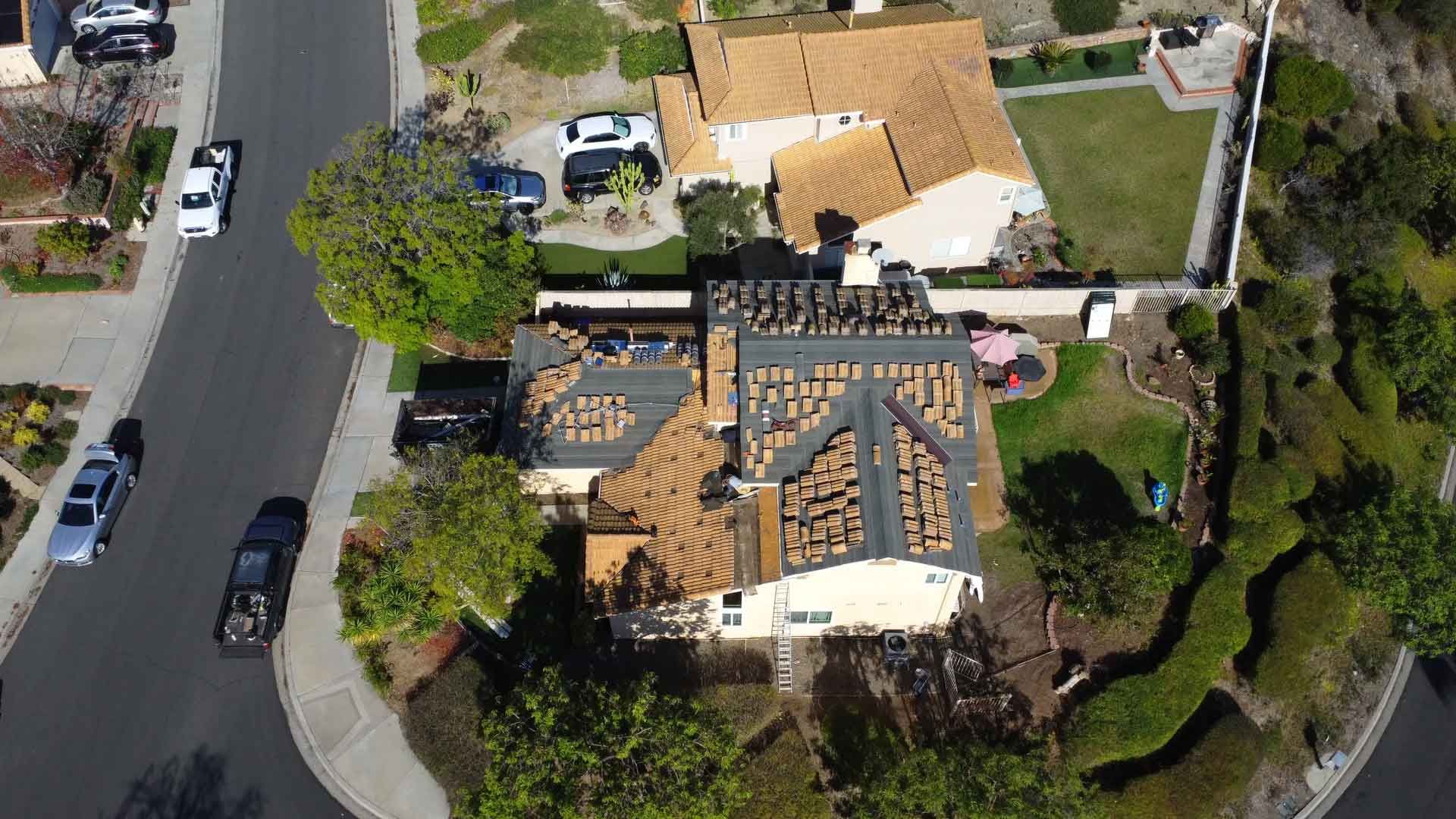
Around year 25 to 30, San Diego tile roofs start leaking not because tiles failed but because the underlayment turned brittle and cracked. The fix is a relay: lift the tiles, replace the underlayment, reinstall the same tiles. Homeowners who don’t know this coming spend years chasing mystery leaks with spot repairs on a system that needs the layer underneath redone.