San Diego’s beautiful weather can be deceiving. From coastal fog to occasional storms, your roof is constantly exposed to elements that wear it down over time. But how do you know when your roof has had enough?
In this post, the experts at Dana Logsdon Roofing & Solar break down the signs it’s time to replace your roof, how long materials last in Southern California, updated 2025 pricing, and how to make the right call with confidence.
How Long Does a Roof Last in San Diego?
Thanks to mild weather, San Diego roofs often last longer than those in harsher climates. Here’s a quick breakdown:
| Roofing Material | Lifespan (Average) |
|---|---|
| Asphalt Shingles | 20-30 years |
| Clay or Concrete Tile | 40-60 years |
| Metal Roofing | 50-70 years |
| TPO Roofing | 15-25 years |
| PVC Roofing | 20-30 years |
| Torch Down Roofing | 12-15 years |
Note: Salt air, UV exposure, and poor maintenance can reduce lifespan. Our team at Dana Logsdon Roofing & Solar checks for all these during your free inspection.
7 Clear Signs You Might Need a Roof Replacement
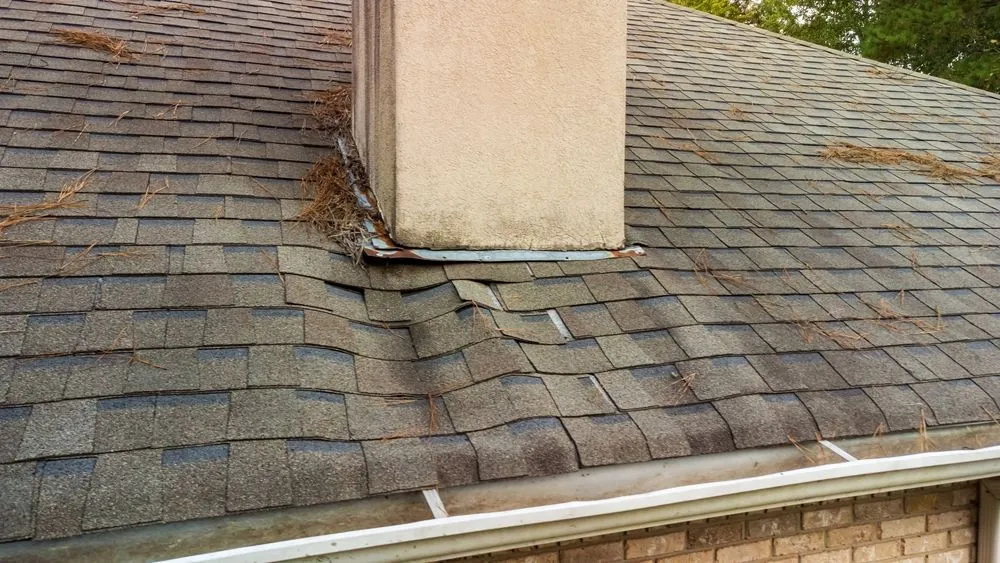
Missing, Cracked, or Curling Shingles
Broken or Slipped Clay Tiles
Water Stains on Ceilings or Walls
Daylight Visible in Attic Spaces
Sagging or Uneven Roofline
Moss or Algae Growth
Roof Age Over 20 Years
If you’re seeing any of these, Dana Logsdon Roofing & Solar can help assess whether you need repairs or a full replacement.
Roof Replacement Costs in San Diego
| Roof Type | Cost per Sq Ft | Total for 2,000 Sq Ft Roof |
|---|---|---|
| Asphalt Shingles | $6.00 – $9.00 | $12,000 – $18,000 |
| Clay Tile | $12.00 – $20.00 | $24,000 – $40,000 |
| Metal Roofing | $16.00 – $24.00 | $32,000 – $48,000 |
| TPO Roofing | $6.50 – $10.00 | $13,000 – $20,000 |
| PVC Roofing | $8.00 – $12.00 | $16,000 – $24,000 |
| Torch Down | $6.00 – $9.00 | $12,000 – $18,000 (avg) |
Prices are based on typical 2025 California roofing rates and may vary depending on slope, removal, underlayment, and accessibility.
Repair or Replace? Here’s How to Decide
| Situation | Recommendation |
|---|---|
| Minor leaks, under 10 years old roof | Repair |
| Damage after a major wind event | Depends |
| Frequent patches, roof over 20 years | Replace |
| Widespread underlayment issues | Replace |
Still not sure? A professional inspection can save you from paying twice for the same problem.
When’s the Best Time to Replace a Roof in San Diego?
Spring and fall are ideal for roof replacement in Southern California. That said, our experienced crews at Dana Logsdon Roofing & Solar work year-round – and we’re prepared for emergency situations too.
Why Homeowners Choose Dana Logsdon Roofing & Solar
Owens Corning Platinum Preferred Contractor
Fully licensed, bonded, and insured in California
5-star reviews across San Diego County
Family-owned and locally trusted for over 30 years
Free estimates and honest inspections
We don’t just replace roofs – we earn trust.
Call Today for a Free Roof Evaluation
Whether you’re in Chula Vista, El Cajon, Poway, or right in central San Diego – Dana Logsdon Roofing & Solar is ready to help. Call us at [Phone Number] or request an inspection online today.
FAQ
Q: How do I know if I need a new roof or just a repair?
A: Our team can help you decide during a free inspection. Typically, widespread or recurring damage signals a need for replacement.
Q: Are permits required for roof replacement in San Diego?
A: Yes – but don’t worry. We’ll handle all permitting and paperwork for you.
Q: Do you offer financing or insurance help?
A: Yes, we work with most insurance companies and offer payment plan options.
1: The Roof Has Outlasted Its Expected Lifespa
You might not have considered this, but your roof has a lifespan. At least, there’s an expected lifespan for your roof. While good roofs that are maintained and repaired as needed can last for decades, they’re typically only expected to last about 25 years for an average roof. That expectation changes dramatically depending on the materials and style of the roof.
If your roof is coming up on its expected lifespan, it’s time to start thinking about saving, contacting your insurance company, or otherwise planning for a roof replacement.
That’s the best way to avoid the problems of an old roof suddenly cascading and becoming an unexpected major expense.
2: Missing Material
This can be a sign that you either need repairs or you need a whole new roof. It’s largely situational. However, one thing is for sure. You must take action immediately.
If you don’t, something that could have just needed repairs might need to be fully replaced within a fairly short period of time.
When we say “missing material”, we mean things such as shingles that have been blown off rust spots on metal roofs, and similar situations.
If you catch the problem fast and get professional help, it’s very possible that roofs with such signs of damage will only need minor repairs. However, you still need an inspection to be performed, because the damaged or missing materials might have allowed water to come in and damage structural parts of the roof. Simply putting a few new shingles on won’t undo that major structural water damage.
3: Leaks
If you suddenly notice water dripping from your ceiling, you almost certainly need a new roof. Your roof clearly isn’t waterproof anymore, and by the time it starts dripping through your ceiling, there’s likely a lot of related damage, as well.
This also isn’t something you can put off. While it’s common to catch the drip in the short term while you try to get a professional in to inspect the issue, don’t try to use any hacks or cheap tricks as long-term solutions. The longer the root of the problem persists, the bigger the issue will be.
4: Water Damage on Your Walls
This sign that you need a new roof is essentially the same as a leak, but it usually isn’t noticed for a long time. This is when the damaged part of the roof lets water creep between your walls, and while you don’t notice it at first, you’ll start seeing mold or water stains on your ceiling and down your walls without any other explanation.
Again, this is a serious issue, because the leak is allowing water to damage other parts of your home that the roof is supposed to protect. So, call a roofing contractor immediately, and start finding out how to fund the project.
5: Visible Damage
If you go outside and look at your roof, and it is visually in disrepair, it’s time to call a professional contractor. This is most common after high-wind storms, hail, and similar situations that often damage roofs badly enough to require repairs or replacements.
Big things to look for are the missing materials we talked about earlier, but cave-ins, holes, and similar dramatic damages are immediate concerns.
6: Post-Storm Inspection Shows Structural Damages
Not every storm creates dramatic damage that you can spot with a glance. Hail and snow are notorious for causing more subtle, less noticeable, damage.
Any time your area experiences a major hail storm, or snow builds up on your roof a bit more than it should due to extreme weather, it’s important to get your roof inspected.
The impact of weather on roofing can vary in intensity. Hail can punch holes right through your roof that might not be immediately noticeable, and it might even hit hard enough to crack plywood layers without you noticing it. Snow, while unavoidable depending on where you live, weighs a lot. If it builds up on your roof and surpasses your roof’s capability to hold it, that weight can put tremendous strain on the plywood, structural beams, and more.
You might not even notice snow damage until it finally breaks a structural point and your roof slouches.
If the inspector says the damage is serious, it’s time to start looking for a new roof.
7: Lackluster Energy Efficiency
As technology advances, humanity tries to make things cheaper, more effective, and of course, less resource-intensive. Roofs are no different.
The roofing materials of today, even the cheapest options, are far better at helping insulate your home, and that helps you cut back on your energy costs. Not only that, but because you’re using less energy to control your home’s climate, you’re reducing your carbon footprint, too. That’s a huge concern for many people, now.
If you know that your roof is made with outdated materials that are letting tons of climate-controlled air escape, it’s a good idea to plan a replacement that gives you better insulation and long-term returns on your energy bill.
8: You’re Selling the Home (Circumstantial)
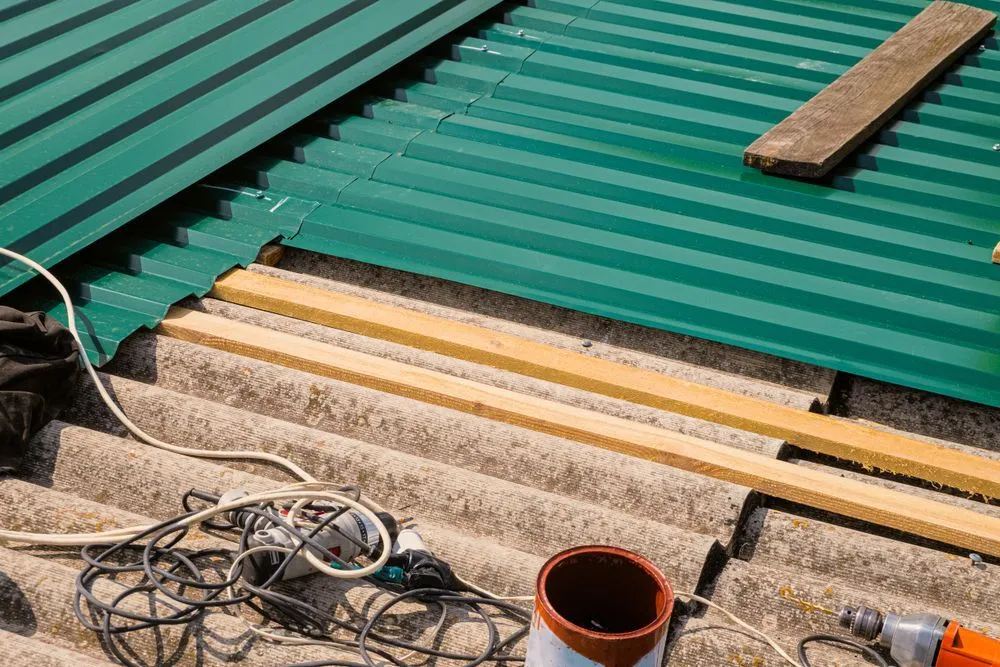
If your roof is old, and you’re getting ready to sell, that roof will be held against you. Great buyers might walk away, and almost all buyers will try to negotiate the price. After all, they’ll have to replace the roof soon out of their pocket.
If you preemptively replace it, that adds tremendous value to your home, and since it’s such a great value adder, you’ll have a lot of people scrambling to outbid each other for the house.
9: It Doesn’t Visually Match Your Home
This usually isn’t an issue, but if you’re doing major renovations on your house, that standard roof you’ve had for years might suddenly look out of place. Why not get a new roof that matches the style of your home now that you’ve renovated it?
On top of that, your curb appeal will increase. This affects your home’s value dramatically.
10: Obsolete Safety Tech
Finally, this is a big one. Just like new roofs are designed with efficiency in mind, they’re also made with safety in mind. Modern materials are designed to be more fire retardant, resistant to various types of damage that can be dangerous, and more.
Not only does an older roof present serious risks because of its age and wear but it also wasn’t built with the finest technology to minimize those problems.
If your roof is outdated, already serious events can become even worse, and you should start saving immediately to upgrade the roof and protect your family.
Repair vs Replacement: What Actually Makes Sense?
This is one of the most common questions homeowners ask.
When Repairs Make Sense
Damage is localized
Roof is relatively new (under 10–15 years)
No recurring leaks
When Replacement Is Smarter
Roof is near end of lifespan
Multiple problem areas
Ongoing repair costs are adding up
Underlayment is failing
Cost Comparison
| Scenario | Short-Term Cost | Long-Term Value |
|---|---|---|
| Repeated Repairs | Lower upfront | Higher over time |
| Full Reroof | Higher upfront | Better ROI |
In many cases, homeowners spend thousands on repeated fixes before eventually replacing the roof anyway.