The 25% Rule Roofers Use
The industry shorthand is simple: if a single repair costs more than about a quarter of full replacement, you’re likely throwing money at a roof that’s telling you it’s done. A $5,000 repair on a roof that would cost $18,000 to replace is a bad bet if the roof is already 18 years old, because the next failure is coming and you don’t get that $5,000 back.
The rule flips the other way too. A $900 flashing repair on a 10-year-old roof is exactly what repairs are for. Fix it and move on.
When Repair Is the Right Call
- Localized damage. A few wind-lifted shingles, one cracked tile, a single popped nail line. The rest of the roof is healthy.
- Flashing failures. Most “roof leaks” are actually flashing leaks around chimneys, skylights and vents. These are repairable without touching the field of the roof.
- Young roof, one problem. Under 15 years for asphalt, under 20 for tile underlayment. Age is on your side.
- Tile roofs with broken tiles. Individual tiles crack from foot traffic or debris. Swapping tiles is routine roof repair work, not a replacement trigger.
When Replacement Is the Right Call
- Leaks in multiple, unrelated locations. This means the system is failing, not one spot.
- Widespread granule loss. Bald patches on asphalt shingles mean the UV protection is gone and the shingles are cooking.
- Curling, cupping or cracking across the field. Material fatigue can’t be repaired.
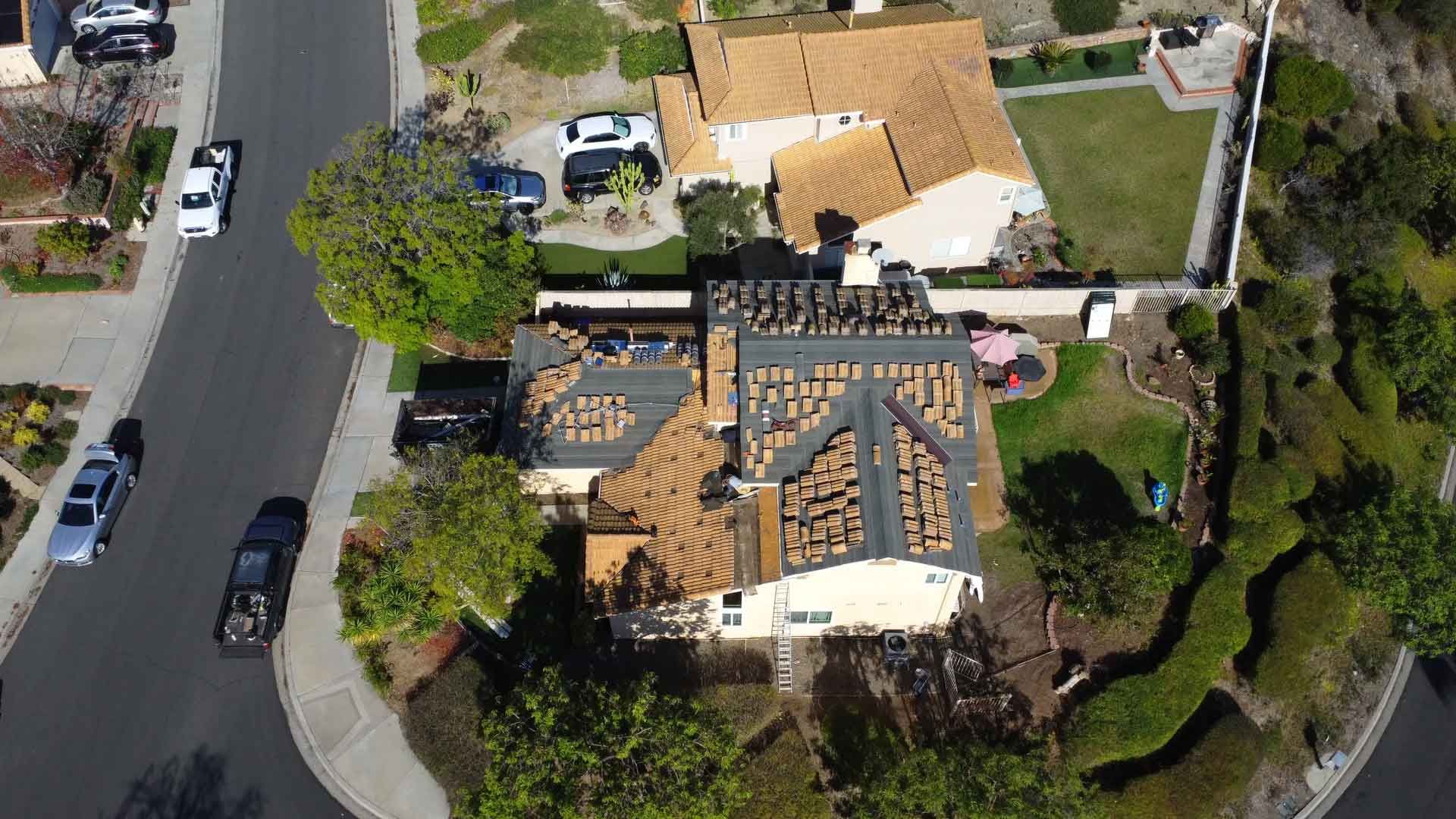
- Tile roof past 25 to 30 years. The underlayment under the tiles has a lifespan even when tiles look perfect. Chasing individual leaks on failed underlayment is the classic money pit.
- Sagging deck lines. Structural issues underneath demand tear-off.
| Situation | Typical Cost | Verdict |
|---|---|---|
| Flashing reseal around chimney or skylight | $400 to $1,200 | Repair |
| Replace 10 to 20 damaged shingles or tiles | $500 to $1,500 | Repair |
| Section repair with deck patching | $1,500 to $3,500 | Repair if roof is under 15 years |
| Recurring leaks, 20+ year old asphalt roof | $14,000+ | Replace |
| Tile roof, failed underlayment, 25+ years | $15,000 to $25,000 (relay) | Replace underlayment, reuse tile |
The repair history test: Pull up what you’ve spent on the roof over the last 5 years. If the total is creeping toward 30% of replacement cost and the calls keep coming, the roof already made the decision for you.
The Honest Middle Ground: Partial Replacement
Sometimes one slope takes all the sun and weather abuse while the rest of the roof is fine. Replacing a single slope or section is legitimate and can buy 5 to 10 years before a full replacement. The tradeoff is a visible color mismatch and the fact that you’ll pay mobilization costs twice. It works best when you have a known timeline, like planning to sell or waiting on financing for the full project.
Get the Diagnosis Before the Prescription
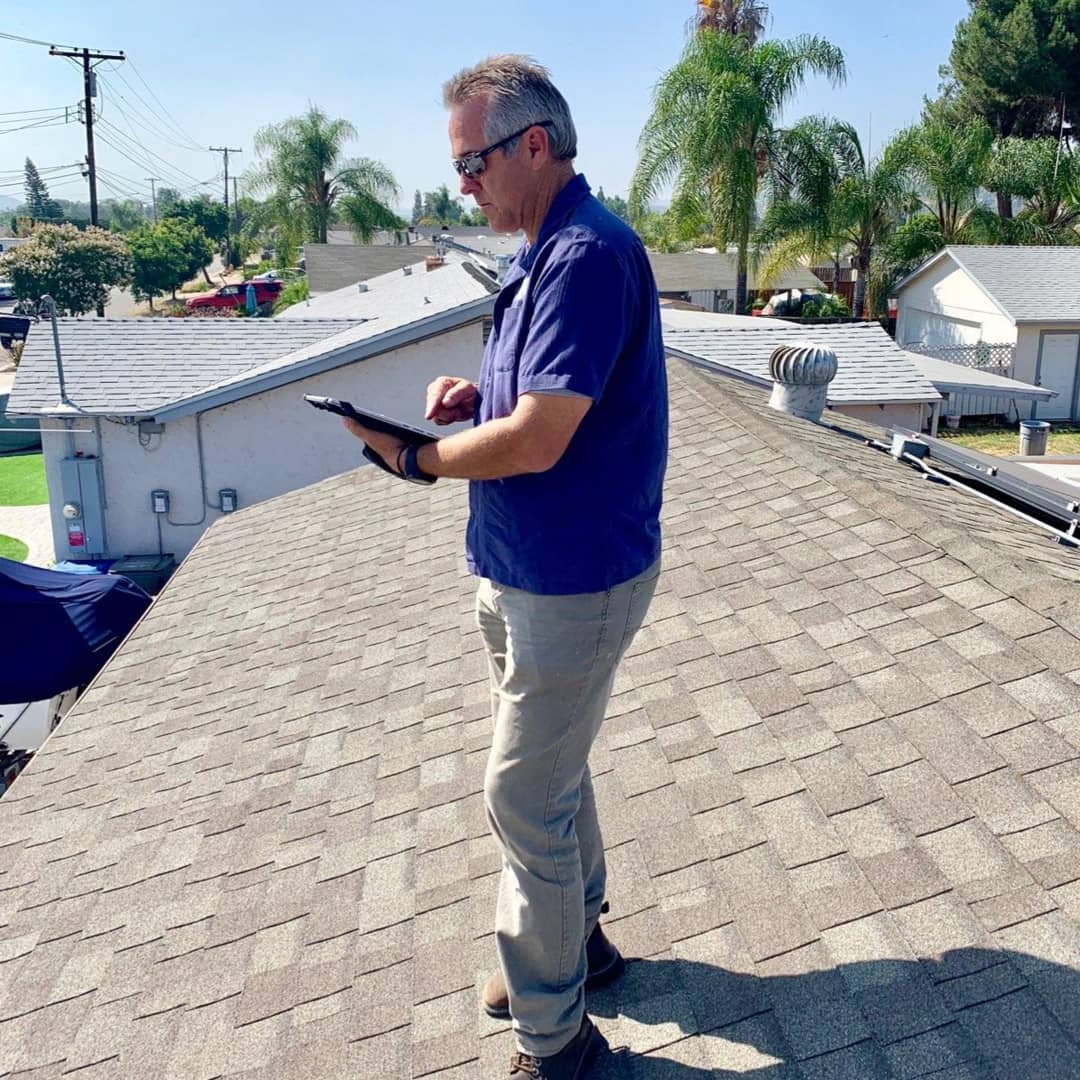
No homeowner should make a five-figure decision based on a glance from the driveway. A proper roof inspection documents the condition of the field, flashings, penetrations, underlayment and deck, with photos. That report is what tells you which side of the repair-or-replace line you’re actually on, and it’s also the evidence you need if insurance is involved.
4: Your Plans for the Future
What are you going to do going forward? That needs to be one of your concerns. Are you planning on staying in the house for the rest of your life, or are you planning to sell it? Replacements can be optimal in either case.
Hear us out.
First, if you plan to sell, you can’t say you have a new roof if you just got it repaired. You don’t. You have an old roof with some nice patches on it. That means you can’t maximize your home value and selling price. If you replace it, you get to use that as leverage, and you get to charge more for the home. Buyers also want to avoid paying for new roofs. So, you can attract buyers that way.
Even if you plan to stay at home, it’s a bonus. If you have gotten plenty of use out of the roof already, a new roof offers you at least 25 more years of service without major worries. For most people, that’s the rest of a lifetime, or it’s a benefit for inheritors.
5: Urgency
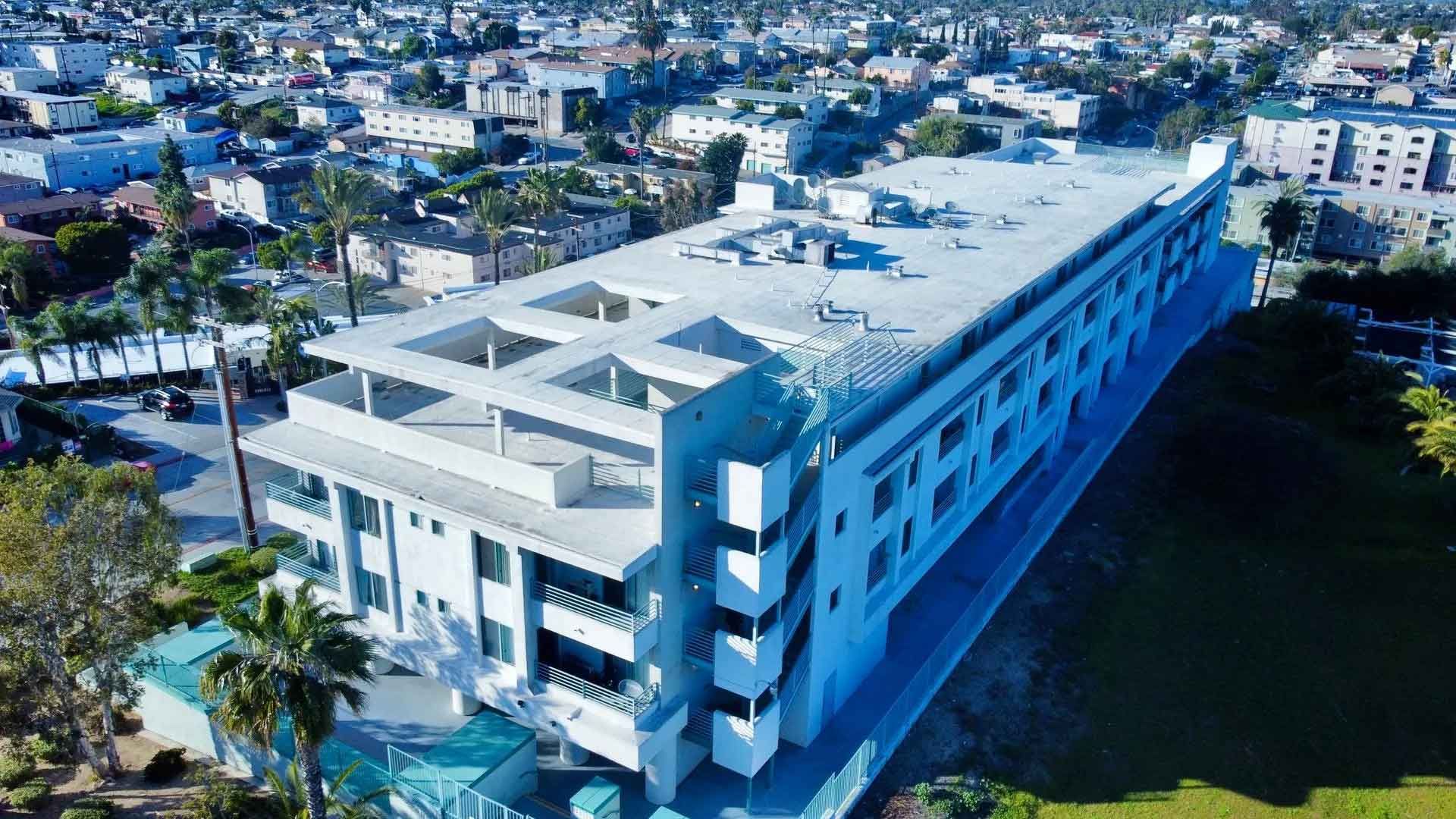
This is usually a big deal with commercial buildings. When your roof is damaged, it usually requires you to shut down the business for safety reasons and for the team to work without worry. Do you have a week or more to close down, or will that destroy the business?
In that case, repairing things as you can is usually a better option, because repairs usually only take a day; not weeks.
This can mean the difference between shutting down your business from revenue losses or staying open. Consider that.
However, the home environment is dramatically different. You can usually be in your home while repairs or replacements are made. So, either option might be optimal in that situation. However, you have to consider how much time the company has available. Can you deal with a very leaky roof for weeks waiting for a company to have time to replace it, or will a repair suffice?
6: Efficiency
A big focus of modern society is going “green”. In other words, energy efficiency matters. That’s for two reasons. First, it’s better for the planet. Second, it’s better for your wallet, because you’ll spend less on bills.
<p\>So, if you’re using a very outdated roof that has lasted decades, you’re likely dealing with something that isn’t great for your home’s energy efficiency. Technology has simply advanced too much for roofs from 30 or 40 years ago to be effective to modern standards.
In that case, a replacement is your only option. Getting a newer roof seems expensive, but you’ll save money every month on electricity and gas payments. So, it balances out.
Hidden Costs Most Homeowners Miss
Choosing repairs over replacement can come with hidden risks:
Water damage spreading beneath the surface
Mold growth in attic spaces
Insulation damage
Higher energy bills due to ventilation issues
These costs often don’t show up immediately — but they add up quickly.
San Diego-Specific Factors to Consider
San Diego homes have unique roofing challenges:
High UV exposure that degrades materials faster
Coastal moisture affecting underlayment
Tile roofs where the surface looks fine, but the base layer is failing
Because of this, many roofs “look okay” but are actually near failure underneath.
Frequently Asked Questions
How much does a typical roof repair cost in San Diego?
Most residential repairs land between $400 and $3,000 depending on the scope. Flashing work and small shingle or tile replacements sit at the low end, section repairs with deck work at the high end.
Can a 20-year-old roof still be repaired?
Sometimes, but expectations matter. Repairs on an aged roof are buying time, not restoring the system. If the material around the repair is brittle, new leaks often appear nearby within a year or two.
Do repairs affect my roof warranty?
Repairs done by unauthorized contractors can void manufacturer warranties. If your roof is under warranty, use a certified installer for any repair work so the coverage stays intact.
Is patching a leak myself a bad idea?
Sealant from a hardware store often traps water rather than stopping it, and walking a roof without training damages tiles and shingles. Small DIY fixes routinely turn into bigger professional repairs.
How fast should a leak be repaired?
Immediately. Water travels along framing before it shows on a ceiling, so the visible stain understates the damage. Every rain event adds mold and rot risk to wood that’s already wet.
Will insurance cover my roof repair?
If the damage came from a specific event like wind, yes, often. Gradual wear is excluded. Documentation from a professional inspection determines which category your damage falls into.
Not Sure Which Way to Go?
Get an honest, no-pressure evaluation with photos and a clear recommendation. Trusted by 30,000+ San Diego families.