Should I replace my roof before installing solar panels? It’s one of the most common questions we hear from San Diego homeowners who are ready to go solar and suddenly realize the roof might need attention first. You’ve done the research, you’re ready to move forward, and now the whole project feels more complicated than it needs to be. With years of combined experience completing roof replacements and solar installations across the region, we’ve had this conversation hundreds of times, and the same core question keeps coming up: do I need to handle the roof before I put panels on it?
The honest answer depends on a few specific things, and once you understand them, the decision usually becomes obvious. The two real risks are straightforward. Replace the roof now and you pay for it once, then install solar cleanly on top. Ignore the roof, go solar first, and you may end up paying to remove and reinstall every panel when the roof eventually gives out. That second scenario is more expensive than most homeowners expect. This guide walks you through every factor you need to weigh so you can make the right call before a single permit gets pulled.
Should I replace my roof before installing solar panels? Start with age and material
The first thing to understand is that this decision isn’t the same for every roof. Material matters a lot, because different roofing systems have very different total lifespans, and that directly affects how much useful life you have left before a solar array becomes a liability sitting on a failing structure.
Lifespan benchmarks: asphalt, metal, and tile
Asphalt shingles are the most widely used roofing material in San Diego, and they typically last 20 to 30 years total, often toward the lower end of that range in coastal Southern California due to salt air, UV exposure, and marine layer moisture. If your asphalt roof has roughly 10 to 15 years of remaining life, you’re generally in acceptable territory for solar. If it has less than that, replace it first. Metal roofs tell a different story. With a lifespan of 40 to 50 years or more, a metal roof with 20-plus years remaining is almost always a good candidate for solar without replacement. Tile roofs, both clay and concrete, can last 50 years or longer, and with 20 to 30 years of remaining life, they’re typically safe to work with.
Solar panels are designed to last 25 years or more. If the roof underneath won’t make it that long, the panels will outlive the surface they’re sitting on, and that’s when the real costs show up.
The remaining life threshold: when to replace your roof before installing solar
Industry guidance on this point varies, but a widely used rule of thumb is this: if your roof doesn’t have at least 10 to 15 years of remaining life, replace it before the panels go on. Many installers apply an even more conservative standard, recommending replacement for any asphalt shingle roof over 15 to 20 years old. Thresholds can shift depending on the installer, the region, and the specific roof condition, so it’s worth getting a professional evaluation rather than relying on age alone. The reasoning is consistent regardless of the exact cutoff. A solar system is a 25-year investment. If there’s any reasonable chance the roof underneath needs replacement within the first 5 to 10 years of the panels’ life, you’re setting yourself up for a costly disruption right in the middle of the system’s most productive years.
The real cost of waiting until after your panels are up
A lot of homeowners assume that if they need to re-roof after going solar, it’ll just be a slightly bigger roofing bill. That assumption is wrong, and the difference can be significant.
What solar panel removal and reinstallation actually costs
Removing and reinstalling solar panels for a roof replacement runs roughly $200 to $500 per panel for removal, with reinstallation adding another $125 to $200 per panel on top of that. Industry estimates for a typical 20-panel residential system generally land in the $3,500 to $6,000 range for detach-and-reset work alone, though larger or more complex systems can push that figure past $10,000 depending on system size, roof complexity, and local labor rates. That cost stacks directly on top of the roofing bill, and it changes the math of the whole project significantly. For a detailed breakdown of removal and reinstallation costs, see this complete guide to solar panel removal costs.
Replace now vs. replace later: a simple cost comparison
The comparison is direct. Replace the roof before solar: you pay for roofing once, then install the solar system once on a clean, new surface. Replace the roof after solar is already installed: you pay for roofing plus panel removal plus panel reinstallation, all as separate costs that stack on each other. In most cases, homeowners who wait pay thousands more than they would have by addressing the roof first. If your roof has fewer than 10 years of remaining life, the math almost always favors doing both projects together before the first panel ever gets mounted.
Structural and flashing problems that make the decision for you
Sometimes the question of whether to replace your roof before installing solar isn’t about age or cost calculations at all. Some roofs have conditions that make it impossible to safely install solar until the roof is repaired or replaced. Any reputable contractor will flag these during an inspection.
Signs your roof structure can’t support a solar array
Solar panels add a modest but real load to a roof structure, typically 2 to 4 pounds per square foot for the system itself, plus concentrated point loads at each mounting location. Most modern roofs handle this without any issue. But roofs with sagging sections, damaged or undersized rafters, rot or termite damage in the decking or framing, or framing that wasn’t built to current load-bearing standards are a different matter entirely. A structurally compromised roof isn’t just an inconvenience for solar installation; it’s a liability. No qualified installer will mount a system on a roof that can’t safely carry the load.
What a pre-solar roof inspection should catch
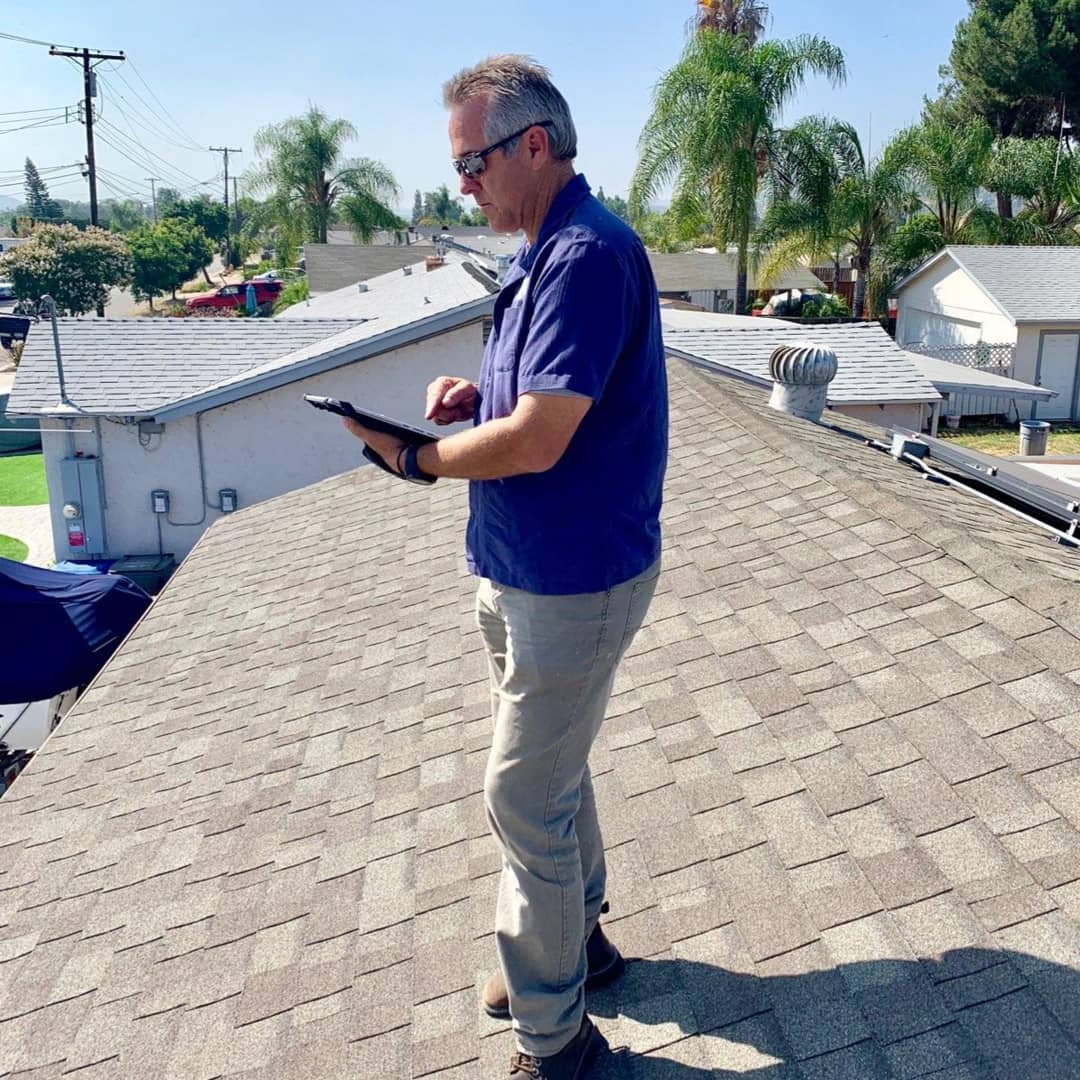
A thorough pre-solar roof evaluation does more than check shingle condition. It looks at existing leaks, the integrity of all flashing, the condition of penetrations around vents and chimneys, and the specific areas where solar mounts will attach to the roof. It also examines what’s happening to the roofing under solar panel attachment points, including underlayment condition, ventilation continuity, and whether existing decking can accept the mounting hardware without compromise. If mounts are going to penetrate sections that are already weakened or improperly flashed, that problem needs to be solved before installation, not after. A good roofer will identify all of it and give you a clear picture of what needs to happen before solar goes on. That conversation should happen before you sit down with a solar company, not after you’ve already signed a contract. To help guide that evaluation, use a practical roof readiness checklist and consider the industry PV inspector checklist when your contractor performs the inspection.
What solar installation does to your roof warranty
Warranty clauses that can cost you coverage
Installing solar panels doesn’t automatically void a roofing warranty, but specific clauses can eliminate coverage if the installation isn’t done correctly. Language to look for includes provisions around roof penetrations, modifications to the existing roof system, installations performed by third-party contractors, the use of non-approved mounting hardware or methods, and exclusions for water intrusion caused by workmanship. If a solar installer uses hardware the roofing manufacturer hasn’t approved, or damages shingles during mounting, a future water intrusion claim can be denied even if the roof itself is still under warranty. Owens Corning, for example, offers a Solar PROtect program specifically designed for roofs with solar panels, but it comes with conditions: the roof must be installed by a qualifying contractor, the solar system must go on within 60 days of the roof installation, and the approved mounting hardware must be used. For guidance on how solar can affect roof warranties, read more about whether solar panels void your roof warranty.
Three questions to ask before signing anything
Before any contract gets signed, get clear answers to these three questions. Does your current roof warranty allow third-party solar installation, and under what conditions? Will the solar installer use mounting methods and hardware that meet the roofing manufacturer’s requirements? Will you receive written documentation of the installation process, including approvals and hardware specifications, for future warranty and insurance claims? If any of those answers are vague or unavailable, that’s a problem worth pausing for.
Why combining roof replacement and solar installation is the smarter move
If the roof needs work anyway, there’s a strong case for handling both projects together rather than sequentially through two separate contractors on two separate timelines.
One project, one crew, zero rework
When a single contractor handles both the roof replacement and the solar installation, the roof gets built solar-ready from day one. The decking, the attachment points, and the flashing are all designed with the solar layout already in mind. There’s no gap between what the roofer did and what the solar installer expects to find. When two separate contractors work sequentially, there’s always a handoff, and handoffs create risk: assumptions don’t get communicated, mounting locations don’t align with framing, and flashing that seemed fine during roofing turns out to be problematic once the mounting hardware goes in. One coordinated project eliminates all of that.
What to look for in a contractor who handles both
Not every roofer installs solar, and not every solar company understands roofing well enough to make the integration seamless. The contractor you want has documented roofing experience, manufacturer certifications that back the warranty coverage, and actual solar installation capability coordinated on the same project. Dana Logsdon Roofing & Solar handles exactly this combination for San Diego homeowners, the sequencing, the trade coordination, and the warranty coverage are built into how the work gets done, not figured out after the fact. Start with a roof evaluation before any solar company gives you a quote. Get a clear picture of where the roof stands first, and you’ll make a better decision on both projects.
When Should You NOT Bundle?
There are a few situations where doing both at once doesn’t make sense:| Situation | Recommendation |
|---|---|
| Roof is less than 5 years old | Skip the reroof, go straight to solar |
| Roof is 5-10 years old, good condition | Get an inspection first, then decide |
| Roof is 10+ years old | Strongly consider bundling |
| Roof is 15+ years old or leaking | Replace the roof before or with solar, no question |
What Roof Materials Work Best with Solar Panels?
Not every roofing material pairs equally well with solar. Here’s the breakdown:| Material | Solar Compatibility | Install Complexity | Long-Term Fit |
|---|---|---|---|
| Asphalt Shingle | Excellent | Simple | Best budget combo |
| Concrete Tile | Good | Moderate (tile hooks) | Solid mid-range option |
| Clay Tile | Moderate | Complex (fragile tiles) | Works but needs specialist |
| Flat Roof | Good | Tilt mounts needed | Great for commercial/modern |
👉 Asphalt shingle roofs are the most popular pairing with solar in San Diego because the mounting is straightforward and cost-effective.
How Long Does a Roof + Solar Project Take?
| Project Type | Typical Timeline |
|---|---|
| Roof replacement only | 2 – 5 days |
| Solar installation only | 1 – 3 days |
| Bundled roof + solar | 4 – 7 days total |
| Separate projects (different times) | 2 – 3 weeks combined |
The Timeline Mismatch Problem
Solar panels are a 25 to 30 year asset. Bolting them to a roof with 10 years left guarantees a mid-life collision: the roof will fail while the panels are still producing, and the only way to fix it is to remove the array, do the roofing, then reinstall the array. That detach-and-reset isn’t cheap. Depending on system size and racking, solar removal and reinstall runs $3,000 to $9,000, plus permit fees, possible new racking hardware and the production you lose while panels sit on the ground. You also risk voiding the solar workmanship warranty if the original installer isn’t the one doing the work, or is out of business, which happens constantly in solar.The Decision Table
| Roof Age & Condition | Recommendation | Why |
|---|---|---|
| Roof under 5 years old | Install solar now | Timelines align, no conflict |
| Asphalt roof 5 to 12 years old, good condition | Inspect first, likely proceed | Verify 15+ years remain before committing |
| Asphalt roof 15+ years old | Replace roof first or bundle | Guaranteed mid-life detach-and-reset otherwise |
| Tile roof, original underlayment 18+ years | Relay underlayment first or bundle | Underlayment fails at 25 to 30 regardless of tile condition |
| Any roof with active leaks or repairs | Fix or replace first, always | Never cap a known problem with a solar array |
Already Have Solar on an Aging Roof?
You’re not stuck, you just need sequencing. The path is: roof inspection to confirm remaining life, then a scheduled detach-and-reset combined with the reroof when the time comes. Doing it planned, in dry season, with one contractor coordinating both sides costs meaningfully less than doing it emergency-style mid-winter after a leak appears under the array. If your panels are 20+ years old themselves, it may also be the moment to evaluate upgrading the system while everything is already off the roof.Making the call: should you replace your roof before installing solar panels?
The decision framework is straightforward once you have the right information. Check your roof’s age against your material’s realistic lifespan and determine how much useful life is left. If it’s under 10 years, replace first. Factor in the real cost of panel removal and reinstallation if you wait, for most homeowners, doing both projects together saves thousands. Watch for structural red flags and flashing problems that remove the choice from your hands entirely. And review your warranty language before anything goes on the roof, because the time to understand those terms is before the work starts, not after a leak shows up.
If replacement makes sense, doing it alongside the solar installation is almost always the better financial and logistical call. You pay once, you get a roof built for the system sitting on top of it, and you avoid the costly disruption of removing and reinstalling panels in five or ten years when the roof finally gives out. Get the roof evaluation first, before the solar quote. That single step will give you a clearer picture than anything else you can do. If you’re ready to move forward with a local install, learn more about our solar panel installations in San Diego.
Frequently asked questions
Should I replace my roof before installing solar panels if it’s only 15 years old?
It depends on the material and current condition. A 15-year-old asphalt shingle roof may have 5 to 15 years of life remaining depending on climate exposure and maintenance history. If a professional inspection shows fewer than 10 years of useful life left, replacing the roof before solar is the right move. If the roof is in solid shape with a decade or more ahead of it, solar installation is likely fine to proceed.
How much does it cost to remove and reinstall solar panels for a roof replacement?
Industry estimates typically run $200 to $500 per panel for removal and $125 to $200 per panel for reinstallation. Total costs for a standard residential system vary based on system size, roof complexity, and local labor rates, and they stack on top of the roofing bill itself. Addressing the roof before panels go on is almost always cheaper than dealing with detach-and-reset later.
Can I install solar panels on an old roof without replacing it first?
Technically yes, but it’s rarely advisable if the roof is within 10 years of the end of its useful life. The panels will likely outlast the roof, and removing them for a future replacement adds significant cost. A pre-solar roof inspection will tell you exactly where you stand before you commit to anything.
Does installing solar void my roof warranty?
Not automatically, but specific warranty clauses can eliminate coverage if the solar installation uses non-approved hardware, involves unauthorized penetrations, or is performed by a contractor not recognized by the roofing manufacturer. Review your warranty terms carefully and make sure your installer’s methods meet the manufacturer’s requirements before any work begins.